

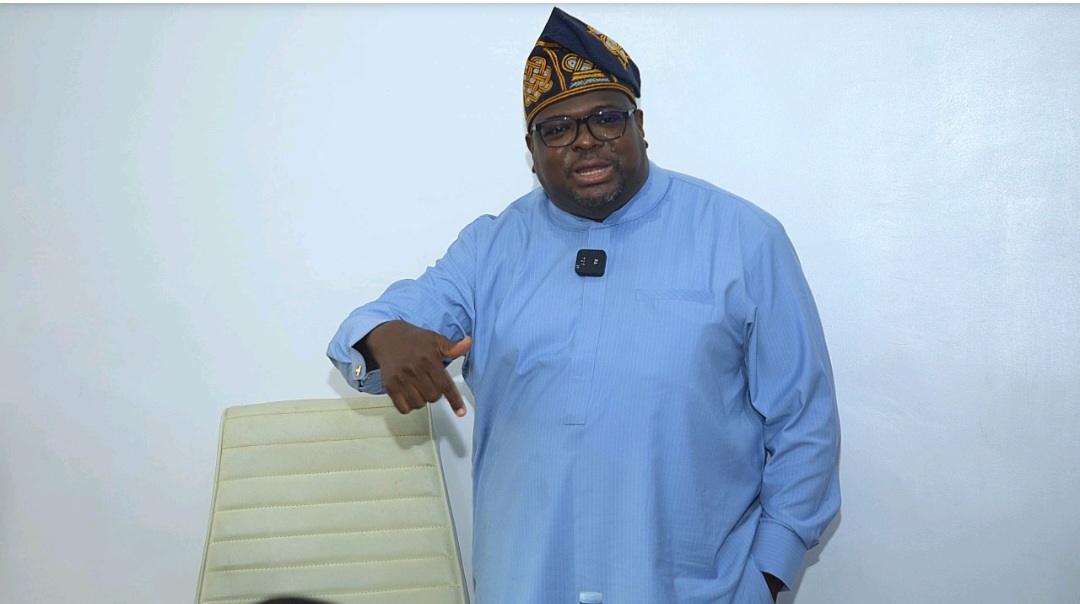
Artificial intelligence is no longer a distant concept but a present economic force reshaping productivity, labour markets, and global competitiveness. Speaking on AriseTV’s Global Business Report as monitored by Techeconomy, digital transformation coach and futurist David Adeoye Abodunrin said Nigeria must urgently reposition itself or risk missing another technological wave. According to him, AI is already redefining how wealth is created, and nations that fail to adapt will struggle to compete.
Abodunrin argued that the global economy is shifting from oil driven growth to algorithm driven value creation, with advanced countries rapidly exporting AI powered services and talent. Nigeria, however, continues to grapple with outdated education systems, weak infrastructure, and limited large scale skills deployment. He described the situation as a wake up call, warning that AI is advancing at geometric speed while national institutions are responding at a far slower pace.
He expressed concern that policymakers underestimate how deeply AI has already permeated daily life, from automated email systems and data analytics to media production and financial services. The most significant consequence of delayed adaptation, he noted, will fall on young Nigerians. Universities continue to produce graduates for roles that are either disappearing or set to become obsolete, creating a dangerous skills mismatch that could weaken the broader economy.
While acknowledging that job displacement is inevitable, Abodunrin emphasized that the greater risk lies in failing to prepare workers for emerging roles across finance, governance, media, and advanced services. He called for urgent curriculum reform, aggressive national reskilling programmes, and closer collaboration between government, industry, and educational institutions. In his view, AI should be treated not as a threat but as a strategic economic instrument capable of democratizing opportunity.
Concluding the interview, Abodunrin stressed that AI policy must be addressed at the highest macroeconomic level. If Nigeria coordinates its response effectively, he said, artificial intelligence could become one of the country’s most valuable exports. Failure to act decisively, however, would mean watching the future unfold from the sidelines rather than shaping it.