

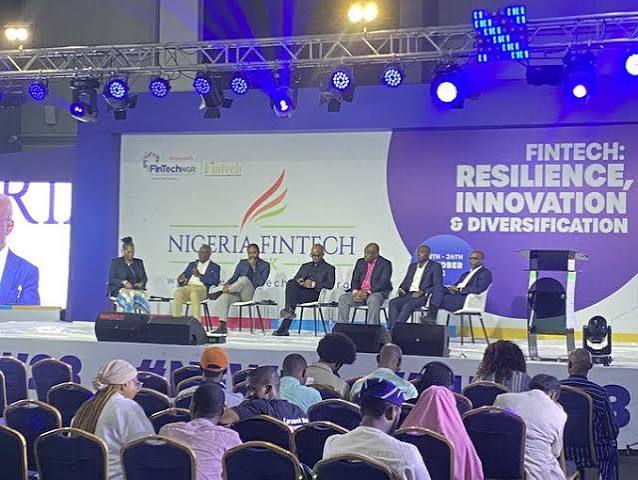
Nigeria’s fintech industry is entering a new phase in which artificial intelligence, digital skills and consumer trust are becoming increasingly important to sustaining growth beyond payments. Industry leaders have identified these areas as critical to the sector’s ability to deepen financial inclusion, improve digital services and respond to changing customer expectations as technology continues to reshape the country’s financial ecosystem.
The shift reflects the growing sophistication of Nigeria’s digital finance market, where fintech companies are no longer competing only on the speed and convenience of payments. Artificial intelligence is increasingly being explored for fraud detection, customer service, credit assessment, personalisation and other financial services, while stronger digital capabilities are required to ensure that businesses can develop and deploy these technologies responsibly. Industry stakeholders therefore see investment in technical skills as an important part of building a sustainable technology ecosystem.
However, the expansion of technology driven financial services also places greater emphasis on trust, particularly as consumers entrust fintech platforms with increasingly sensitive financial and personal information. Issues around cybersecurity, data protection, transparency and responsible use of artificial intelligence could influence how willing consumers are to adopt more sophisticated digital financial products. For fintech operators, maintaining confidence may therefore become as important as introducing new technological features.
The emerging direction suggests that Nigeria’s fintech story is gradually moving from rapid digital adoption towards building deeper technological and institutional capacity. Industry leaders believe that combining innovation with skilled human resources and stronger trust mechanisms could enable fintech companies to move into more complex areas of financial services and contribute more significantly to Nigeria’s digital economy. For the country’s technology ecosystem, the next phase may therefore be defined not simply by how many people use digital financial services, but by how intelligently, securely and sustainably those services are developed.