

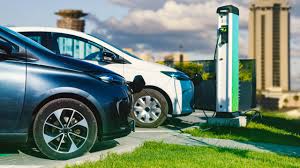
Kenya is planning to extend its standard 16 per cent Value Added Tax to electric vehicles, lithium ion batteries, and electric bicycles under the proposed Finance Bill 2026, a move that could reverse incentives that previously supported the country’s growing electric mobility industry. The proposal is expected to increase the cost of imported electric vehicles, batteries, and charging equipment used by companies expanding across East Africa’s transport and clean energy sectors.
The proposed tax changes could significantly affect electric mobility startups such as BasiGo, Roam, and Ampersand, which have been investing heavily in electric buses, battery swapping systems, and charging infrastructure across the region. Industry reports indicate that most components used in electric mobility operations are imported, making the sector highly vulnerable to foreign exchange pressures, shipping costs, and additional import related taxes.
Kenya has emerged as one of Africa’s fastest growing electric mobility markets due largely to supportive government policies and tax incentives encouraging adoption of cleaner transport technologies. Government projections show annual electric vehicle sales could rise from about 2,700 units in 2023 to nearly 70,000 units by 2030. The country’s strong renewable energy mix, with over 90 per cent of electricity generated from geothermal, hydro, wind, and solar sources, has also positioned Kenya as a strategic hub for sustainable transport and energy innovation in East Africa.
The Finance Bill did not provide specific reasons for the proposed removal of VAT exemptions, but the changes form part of wider efforts by the Kenyan government to expand domestic revenue collection across several sectors, including digital services, software, mobile devices, and virtual asset providers. The proposal has however reignited debate across African markets on how governments can balance revenue generation with the need to support climate technology investment, industrial growth, and the transition to cleaner energy systems.