

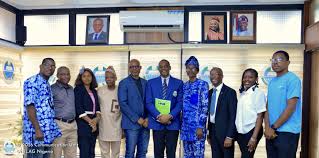
Nigeria Computer Society and the University of Lagos have begun discussions on deeper collaboration aimed at preparing Nigerian students for the demands of the rapidly evolving digital economy. The engagement, held at the University of Lagos on April 30, 2026, focused on bridging the growing gap between traditional classroom education and the practical technology skills increasingly required in today’s workforce.
The delegation from the Nigeria Computer Society, led by Adewale Adesina, met with university officials represented by Deputy Vice Chancellor, Foluso Lesi, on behalf of Vice Chancellor Folasade Ogunsola. Discussions centred on the impact of emerging technologies such as artificial intelligence, cybersecurity, cloud computing, automation, and digital finance on Nigeria’s future workforce, with stakeholders agreeing that students now require practical exposure, mentorship, innovation support, and stronger industry connections beyond academic qualifications.
A key technology development highlighted during the meeting was the recent launch of the Artificial Intelligence University Innovation Pod at UNILAG, which has positioned the institution within Nigeria’s growing AI and digital innovation ecosystem.
Both parties explored proposals including AI research partnerships, startup incubation programmes, digital capacity building initiatives, mentorship opportunities, and stronger student participation in professional and industry networks. The talks also reflected wider concerns over skills mismatch and youth unemployment, despite increasing demand for technology talent across Nigeria’s digital economy.
Student representatives from the Faculty of Computing and Informatics also participated in the discussions, stressing the importance of practical competencies and global competitiveness in a fast changing digital world. Stakeholders noted that Nigeria’s future digital competitiveness would depend on stronger collaboration between universities, innovation hubs, startups, and professional bodies.
The meeting ended with discussions toward a possible formal partnership agreement, reinforcing what participants described as a shared responsibility to prepare a generation capable of shaping Nigeria’s digital future rather than merely participating in it.