

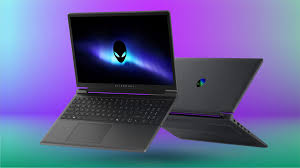
Dell has introduced the new Alienware 15 as part of efforts to enter the more affordable gaming laptop segment after decades of focusing mainly on premium gaming devices. The Alienware brand, widely recognised for its futuristic designs and high performance gaming systems, launched the new model in May 2026 with pricing starting from $1,299 for AMD versions and $1,399 for Intel powered models, translating to approximately N1.77 million to N1.91 million in Nigeria.
The new gaming laptop features a 15 inch display with a 165Hz refresh rate, Nvidia GeForce RTX graphics options, high speed NVMe SSD storage, and memory configurations ranging from 16GB to 64GB RAM. Dell said the system was designed to deliver strong gaming performance while also supporting productivity tasks, with cooling technology that includes over 2,000 airflow vents to improve thermal efficiency. The laptop enters a gaming market increasingly dominated by advanced hardware such as Nvidia’s RTX 50 series graphics processors, ultra fast storage systems, and OLED display technologies.
Despite being positioned as a more affordable entry into the Alienware ecosystem, analysts note that the pricing still places the device beyond the reach of many gamers in developing markets such as Nigeria. Industry observers pointed to competing products like Acer Nitro V 15, which offers similar gaming capabilities, including comparable RTX graphics performance and high refresh rate displays, at significantly lower prices ranging between $850 and $1,000. Experts say affordability in emerging economies remains a major factor influencing gaming technology adoption.
Dell also introduced lower cost variants of the Alienware 15 powered by Nvidia RTX 30 series graphics cards to appeal to users seeking a cheaper entry point into premium gaming systems. Technology analysts say the launch reflects a strategic shift by Alienware as global gaming brands increasingly compete for younger consumers and price sensitive markets. In Nigeria and across Africa, the growing popularity of gaming, content creation, and digital entertainment is gradually driving demand for high performance laptops, although pricing and exchange rate pressures continue to limit accessibility for many users.