


China is set to implement stringent rules aimed at controlling spending and time allocation for video gaming, signaling a significant shift in the world’s largest online gaming market. These restrictions primarily target in-game purchases and aim to curb excessive gaming behavior.
This draft legislation reaffirms a ban on online game content deemed to jeopardize national unity, security, or interests, representing a setback for the expansive gaming industry, which is still recuperating from a prior crackdown. The news of these impending regulations caused a dramatic drop in the stock prices of major tech companies, resulting into a collective loss of tens of billions of dollars in market value.
Beijing initially took steps against the gaming sector in 2021, imposing limits that allowed online gaming for minors only one hour on Fridays, weekends, and holidays. However, the proposed regulations extend beyond these initial limitations.
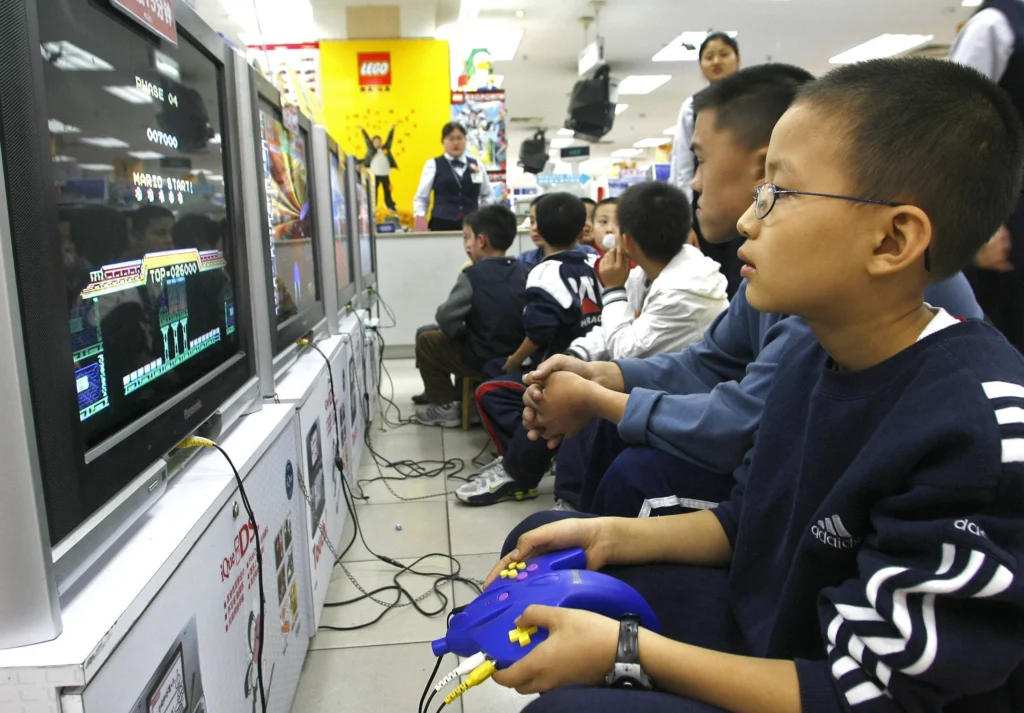
According to the National Press and Publication Administration (NPPA), the industry regulator the new restrictions dictate that online games must not offer incentives that encourage excessive spending or gameplay, including rewards for daily logins or additional fund top-ups,
Ivan Su, an analyst at Morningstar, highlighted that the removal of these incentives might reduce daily users and revenue, potentially prompting significant alterations in game design and monetization strategies by publishers.
The regulations also include measures such as pop-up warnings for users exhibiting “irrational” gaming behavior, marking a comprehensive approach to regulating gaming habits.
Tencent, the global leader in gaming revenue, witnessed a sharp decline of 12.4% in its share price following the NPPA’s announcement. Rival company NetEase experienced a more significant decline of over 24%.
Tencent Games’ vice president, Vigo Zhang, stated the company’s commitment to strictly adhere to any new regulatory requirements, emphasizing their ongoing focus on reasonable business models and operational practices, particularly for younger players.
The impact extended beyond individual gaming companies, affecting broader tech investors like Prosus, whose stock is closely associated with Tencent. The ripple effect resulted in a substantial drop in Hong Kong’s Hang Seng Index, signaling market-wide implications of these impending regulations.
Industry experts anticipate restructuring in monetization models, potentially affecting game availability and publisher viability. Smaller companies might face closure due to financial strain, exacerbating the already challenging landscape in the Chinese gaming industry.
The new rules also aim to streamline the approval process for games and mandate that servers processing user data be located within China, presenting a comprehensive overhaul in gaming regulations and operational protocols.