

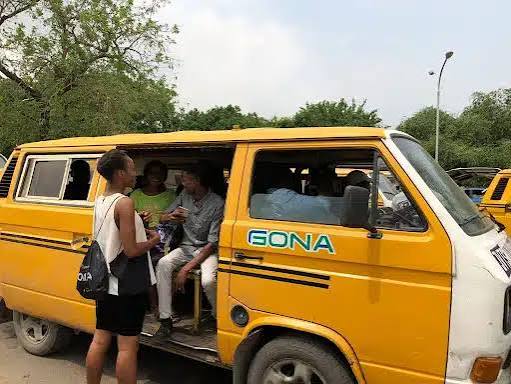
Lagos’ attempt to digitise payments on commercial buses may have been tested years before the state’s latest transport reforms, but a technology startup’s experience shows that resistance from transport unions, rather than a failure of the technology itself, was a major factor behind the collapse of the initiative. An investigation by Techpoint Africa revealed that GONA, which launched a cashless payment system for Lagos danfos in 2019, struggled to operate within a transport ecosystem deeply dependent on cash and informal power structures.
GONA initially recorded encouraging results after testing its QR code payment system among students at the University of Lagos. The startup later expanded to commercial routes, using digital wallets, free rides and student ambassadors to encourage adoption. By August 2019, the company was reportedly processing nearly 10,000 transactions daily and had secured a multimillion dollar pre Series A investment. However, its expansion into the wider Lagos transport network brought the company into increasing conflict with transport union interests.
The investigation found that the company subsequently changed its strategy and began working directly with transport unions, training drivers and providing smartphones to some operators. However, some drivers struggled with electronic payments and allegedly continued demanding cash from passengers. GONA eventually collected digital fares and paid drivers in cash, but the arrangement created another problem as agents carrying money reportedly became targets of robbery in areas including Oshodi. The company also faced internal fraud, rising union demands and increasing operational difficulties, forcing it to scale back its operations.
GONA eventually ceased operations in the early months of 2020, during the COVID 19 pandemic, after reportedly being reduced to only one active route. The experience has now become relevant to Lagos State’s current effort to introduce digital fare collection through its Bus Industry Transition Programme, following agreements with the National Union of Road Transport Workers and the Road Transport Employers Association of Nigeria. The investigation suggests that the success of cashless transport in Lagos will depend not only on technology, but also on addressing the economic interests, incentives and informal structures that have long shaped the danfo system.