

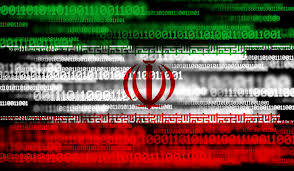
Claims of a coordinated U.S.- and Israel-led air assault on cities across Iran, including Tehran, and assertions that Supreme Leader Ali Hosseini Khamenei was killed have been circulating widely online, but there is no credible evidence from established global news agencies or official government sources to support these reports. Authorities in Iran continue to affirm that their leadership remains in place following recent regional tensions.
Some social media narratives tied to the alleged strikes also alleged that large-scale cyberattacks hit the country, including a flood of unusual messages through mobile applications during a period of widespread internet disruption. For example, users of the prayer app “BadeSaba,” which has been widely used across Iran, reported receiving unsolicited notifications with anti-government messages. Experts caution that such incidents are consistent with app compromise or unrelated malicious activity rather than verified state-level cyber operations.
Internet monitoring firms detected significant outages in Iran’s national network, with traffic dropping sharply at points over recent days. These disruptions coincide with periodic blackouts of connectivity that have occurred during major protests and political events in the past. Internet analysts, including Doug Madory, have observed that outages can result from a mix of internal shutdowns by authorities and external cyber interference. However, no independent technical investigation has so far publicly tied these outages to foreign military operations.
Some outlets have also reported broader regional infrastructure impacts. For instance, Amazon acknowledged service interruptions affecting its Middle East data centre in the United Arab Emirates, attributing the outage to local physical damage at the facility. It is not unusual for technical failures to be misinterpreted or conflated with geopolitical events amid heightened tensions.
International diplomatic sources have not confirmed any military strikes by the United States or Israel inside Iranian territory. Spokespersons for both Washington and Jerusalem have routinely declined to comment on specific operational claims, instead reiterating broader regional security concerns. Neither country has issued public documentation to substantiate reports of targeted attacks on Iranian cities or top leadership.
While cyber operations remain a component of modern statecraft, interpreting isolated technical incidents — such as app notifications or internet connectivity fluctuations — as evidence of large-scale offensive campaigns can be misleading. Independent cybersecurity researchers stress the importance of distinguishing between verified data and anecdotal or unverified assertions when reporting on digital disruptions, especially in a geopolitical flashpoint like the Middle East.