


Elon Musk announced on Monday that his artificial intelligence startup xAI would be open-sourcing its ChatGPT challenger, “Grok,” later in the week. This announcement comes just days after Musk filed a lawsuit against OpenAI, a company he co-founded in 2015, alleging a departure from its original mission towards a profit-oriented model.
The billionaire entrepreneur has consistently cautioned against the exploitation of technology for profit, particularly by major tech players such as Google. Musk’s lawsuit specifically targeted Microsoft-backed OpenAI, revealing tensions surrounding the company’s strategic direction.
Responding to Musk’s legal action, OpenAI publicized emails suggesting Musk’s prior support for a for-profit entity and a potential merger with Tesla, indicating conflicting interests. Musk’s latest move to open-source Grok aligns with his stance on technology accessibility and transparency.
By making Grok open-source, xAI aims to provide the public with free access to experiment with the underlying code, following the footsteps of Meta and France’s Mistral, which have embraced open-source AI models. Google’s release of the AI model Gemma further underscores the trend towards openness in the AI community.
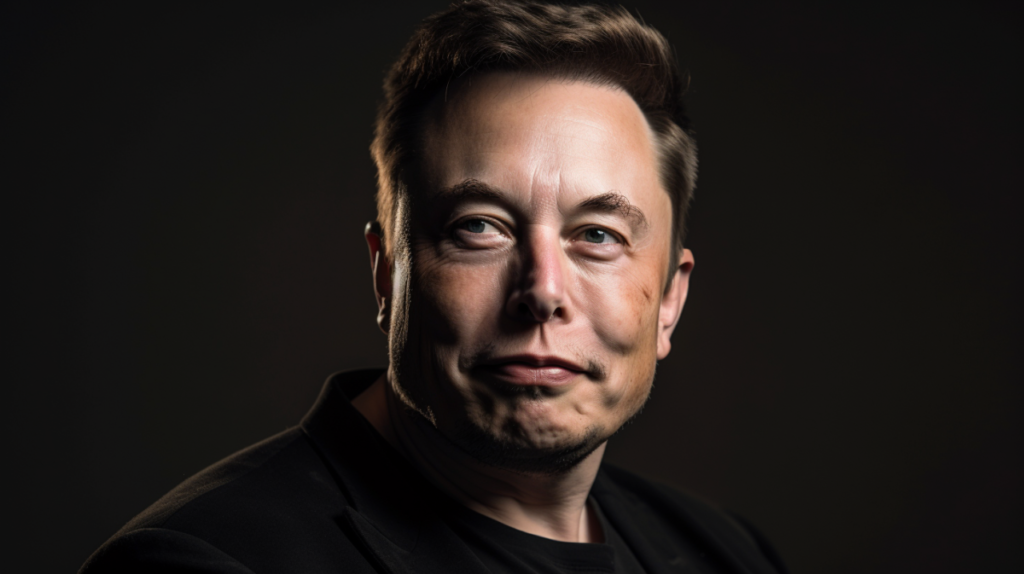
Tech investors like Vinod Khosla and Marc Andreessen have engaged in discussions about the implications of open-sourcing AI, highlighting its potential to accelerate innovation. However, concerns have been raised about the misuse of open-source AI models by malicious actors, including the creation of chemical weapons or the development of uncontrollable super-intelligence.
Musk’s advocacy for a “third-party referee” to oversee AI development reflects his commitment to ensuring ethical and responsible use of technology. With xAI, Musk seeks to establish an alternative to dominant players like OpenAI and Google, emphasizing the pursuit of truth-seeking AI.
Grok, initially rolled out for Premium+ subscribers of X, represents xAI’s endeavor to democratize access to advanced AI technologies. Musk’s expressed preference for open-source AI, articulated in a podcast episode with Lex Fridman, underscores his vision for a more transparent and collaborative AI landscape.
In his critique of OpenAI’s evolution towards a profit-driven model, Musk emphasizes the significance of the term “open” in the organization’s name, originally conceived as a nonprofit open-source entity. Musk’s legal and strategic maneuvers reflect broader debates within the AI community about the balance between commercial interests and societal benefits.