

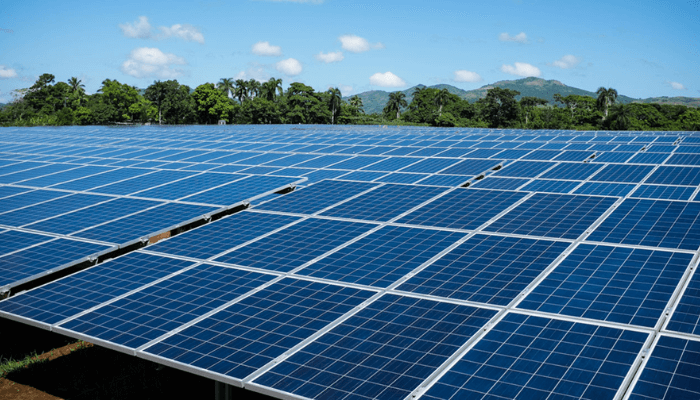
WATT Renewable Corporation, a leading provider of hybrid solar solutions, has secured a $15 million debt facility from the AFRIGREEN Debt Impact Fund to finance the development of solar power plants.
The initiative aims to address the energy needs of commercial and industrial clients in Nigeria, particularly within the telecommunications and financial sectors. This funding represents a significant step towards sustainable energy development in the country.
The debt facility, provided in local currency, is structured to align with WATT’s power purchase agreements, mitigating currency risks associated with the potential devaluation of the Nigerian Naira. WATT, operating within Nigeria’s growing renewable energy market, joins other notable players like Solar Depot Nigeria, Lumos Nigeria, and Rubitec Solar in addressing the nation’s persistent energy challenges.
With the fresh funding, WATT plans to deploy hundreds of hybrid solar power sites across Nigeria to meet the increasing energy demands of businesses. The company’s rollout strategy aligns with its broader vision of transforming energy access across Africa by reducing reliance on fossil fuels and promoting environmental sustainability. This initiative also aims to significantly reduce diesel consumption and carbon dioxide emissions while enabling businesses to achieve substantial energy cost savings.
AFRIGREEN’s Managing Director, Alexandre Gilles, praised the partnership, highlighting the favorable market conditions in Nigeria for hybrid solar solutions. He noted that WATT’s exceptional operational performance and structured financing made this collaboration a strategic opportunity for growth. Similarly, WATT’s Managing Director, Oluwole Eweje, emphasized the importance of the partnership in accelerating the company’s mission of providing sustainable energy solutions across Africa.
The AFRIGREEN Debt Impact Fund, supported by institutions like the European Investment Bank (EIB) and the International Finance Corporation (IFC), focuses on financing sustainable energy projects in Africa. By enabling the installation of solar power plants, the fund aims to reduce dependency on fossil fuels and lower energy costs for businesses and public utilities.