

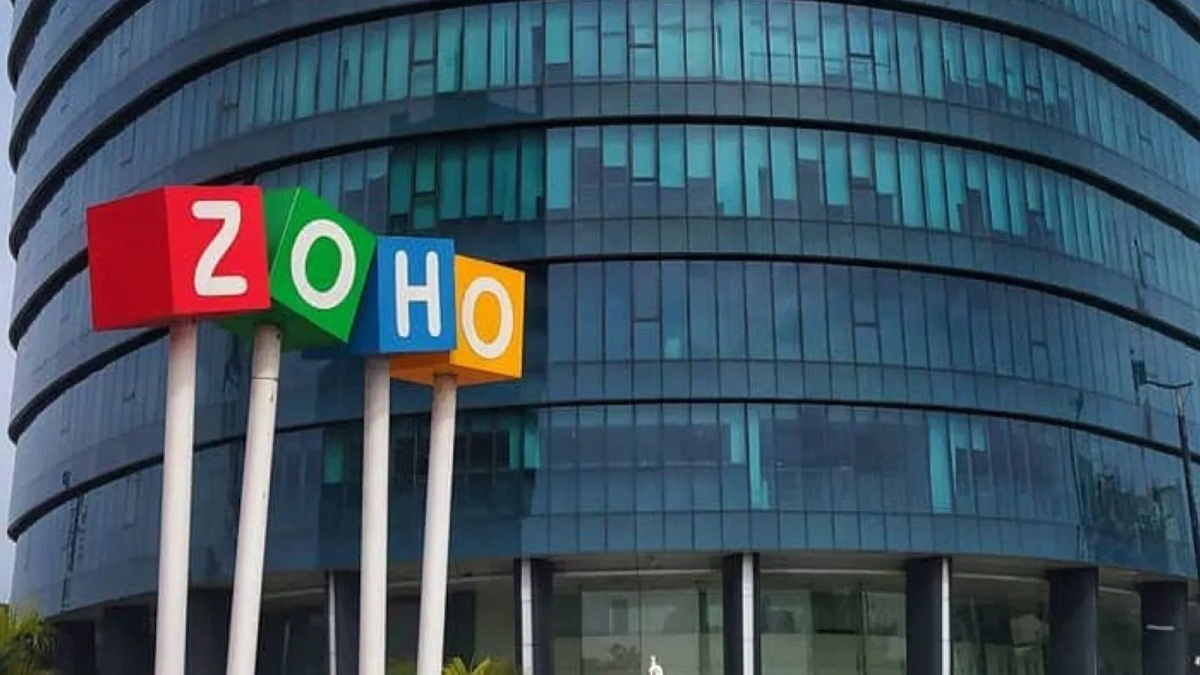
Indian software giant, Zoho has announced a new pricing structure for its Nigerian users, set to take effect in August 2024. The company, in an email to its Nigerian clientele, emphasized that the updated prices aim to maintain the sustainability of its high-quality services amidst the challenging economic landscape.
the Country’s Zoho manager Kehinde Ogundare, explained that the price review is a direct response to the rapid devaluation of the naira. “The naira has plummeted from ₦350 to $1 to approximately ₦1500 within two years,” Ogundare noted. He disclosed that the decision followed extensive internal deliberations over several months before the official communication was sent out.
The devaluation of the naira has driven Nigerian startups to consider local alternatives more seriously. Techpoint Africa reported in February 2024 that Alvative, a Nigerian talent sourcing firm for junior developers, transitioned its operations to Zoho from Google products, which had been a staple for nearly two decades.
Ogundare highlighted that Zoho had held off on implementing a new pricing structure for four years despite Nigeria’s economic volatility. “We fixed the price for our Nigerian users in 2020 at ₦7,500, which was about $6 then. Compared to the $30-$35 paid by users in other countries, this was a significant reduction. We aren’t charging this amount even in other African countries where we operate, such as Kenya and South Africa,” he said.
In 2021, Zoho introduced a global price change that did not apply to Africa, South America, Latin America, China, and Japan. These regions were exempt from the price hike at that time.
In November 2023, Zoho reported a remarkable 50% growth over the previous year. Ali Shabdar, Zoho’s Regional Director for the Middle East and Africa, attributed this growth to the increasing adoption of cloud technology by Nigerian businesses. He noted that companies are leveraging unified platforms to transform digitally and build resilience against adverse market conditions.
Zoho’s decision reflects a broader trend among international companies recalibrating their pricing strategies to cope with Nigeria’s fluctuating economic conditions, ensuring continued service delivery and operational sustainability.