

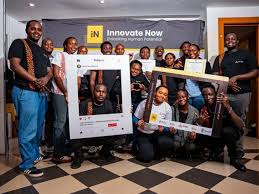
Innovate Now, a Kenya based accelerator focused on assistive technologies, has unveiled its largest cohort yet, reinforcing its commitment to building solutions that place persons with disabilities at the centre of product design. The programme, implemented by Assistive Technologies for Disability Trust, has selected 19 startups working across speech therapy, mobility, inclusive education and caregiver support, areas where demand continues to grow despite limited access to locally relevant solutions.
Across Africa, about 200 million people require at least one assistive product, yet access remains constrained by high costs and dependence on imported technologies that often fail to align with local realities. To address this gap, Innovate Now deploys its “Live Labs” model, which integrates persons with disabilities directly into the development process. Through this approach, users test prototypes, identify usability gaps and help shape products before they reach the market, ensuring that solutions are practical, accessible and culturally relevant.
Founder of AT4D, Bernard Chiira, said the model reflects a deliberate shift in innovation thinking, stressing that inclusion is fundamental to building effective assistive technologies. The accelerator recently hosted a 72 hour AI for Accessibility hackathon, bringing together developers, students and persons with disabilities to co create solutions. The exercise produced 15 projects, with 10 advancing into incubation alongside nine startups selected through an open call.
Among the emerging solutions is Chacha, an AI powered platform developed to support children with speech challenges through real time feedback and guided exercises. Its founder, Peninah Gituku, said engagement with caregivers reshaped the product’s design to better reflect everyday realities.
The selected startups will now undergo an eight month incubation programme featuring mentorship, coaching and continued user testing in partnership with Kilimanjaro Blind Trust Africa, as Innovate Now continues to expand its impact in making assistive technologies more accessible across the continent.