

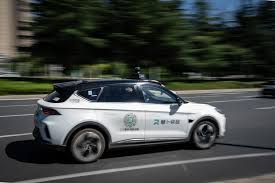
Operations of autonomous ride services in Wuhan were thrown into chaos after dozens of robotaxis operated by Baidu suddenly stalled across the city, leaving passengers trapped for extended periods. Reports indicate that some riders were stuck inside the vehicles for as long as two hours, as the driverless cars became unresponsive in different parts of the city. Videos circulating online showed helpless passengers waiting inside immobile vehicles, highlighting the human impact of what appears to be a large scale technological breakdown.
The disruption, linked to Baidu’s autonomous mobility arm Apollo Go, affected at least 100 vehicles, according to local authorities. Police described the incident as a “system failure,” although the exact cause remains unclear. In several cases, the robotaxis reportedly froze in risky positions, including fast moving lanes, raising serious safety concerns for both passengers and other road users. Authorities have since launched an investigation to determine the source of the malfunction and assess its implications.
Baidu has yet to issue a detailed explanation regarding the outage, and efforts to obtain official comments have so far yielded no response. The silence has added to growing unease among users and industry watchers, especially as the company continues to position itself as a leader in autonomous transportation. With its expanding footprint beyond China into regions such as the Middle East, including ambitious plans to deploy over 1,000 self driving vehicles in Dubai, the incident could have wider reputational consequences.
The Wuhan disruption adds to a string of incidents that have intensified scrutiny of robotaxi safety worldwide. Similar concerns have emerged in the United States, where vehicles operated by Waymo were left stranded during a major power outage in California late last year. Together, these events are prompting renewed debate over the readiness of autonomous transport systems and the need for stronger safeguards as cities increasingly embrace driverless mobility solutions.