

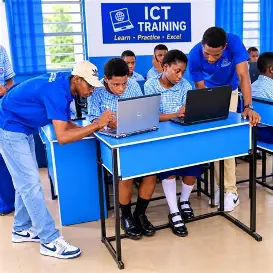
Persons with disabilities in Nigeria are set to gain improved access to digital education and technology skills following the inauguration of an Inclusive Technology Hub by FRIENDs of the Deaf International Foundation (FDF) in Adamo, Lagos State, in a move aimed at reducing barriers preventing vulnerable groups from participating fully in the country’s growing digital economy.
The facility, established at FDF Academy, was inaugurated on Tuesday, November 24, by the foundation’s founder, Mrs Funmilola Arike Ogunro. The initiative is designed to provide persons with disabilities, particularly disadvantaged children and young people, with access to basic computer education and opportunities to explore emerging technologies. Ogunro said millions of persons with disabilities risk being left behind as technological advancements continue to reshape education, employment and business activities. She explained that the centre was established to make technology more accessible to people who might otherwise be excluded because of physical, educational or economic barriers.
According to the founder, the Inclusive TechHub will provide beneficiaries with opportunities to acquire digital skills, build confidence and explore how technology can help them develop solutions to societal challenges. She maintained that disability should not prevent anyone from acquiring technological knowledge or participating in the digital revolution. The initiative also forms part of the foundation’s broader commitment to inclusive education and empowerment through its academy, which provides learning opportunities for disadvantaged children. The inauguration was attended by Dr B.S. Fagbohunka of Olabisi Onabanjo University, Ago-Iwoye, among other guests.
However, Ogunro appealed to individuals, corporate organisations and development partners to support the project with financial contributions and essential technology equipment to enable the centre to serve more beneficiaries. She specifically requested donations of computers, projectors and interactive boards to expand the facility’s capacity and improve the quality of digital learning available to students. The development highlights the importance of ensuring that Nigeria’s digital inclusion programmes address the needs of persons with disabilities, particularly as access to computer literacy and technology skills increasingly determines opportunities in education, employment and entrepreneurship.