

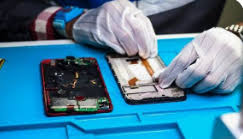
Rising smartphone prices are pushing more Nigerians to repair their existing devices rather than replace them, as the cost of purchasing new phones continues to put pressure on household budgets. For many consumers, repairing a damaged screen, replacing a battery or fixing other faults has become a more affordable alternative to buying a new device. The trend highlights the growing financial challenges facing Nigerians who depend on smartphones for communication, education, business and access to digital services.
The shift towards repairs also presents opportunities for technicians and small businesses operating in Nigeria’s mobile phone repair market. As consumers seek less expensive ways to keep their devices functional, repair shops may experience increased demand for replacement parts, software troubleshooting and maintenance services. However, the quality and affordability of repairs remain important concerns, particularly where counterfeit components, inadequate technical skills and unreliable after sales support expose customers to additional costs.
Beyond consumer spending, the rising cost of smartphones has implications for digital inclusion. Students, remote workers, entrepreneurs and small business owners increasingly rely on mobile devices to access online learning, financial services, employment opportunities and digital marketplaces. When the cost of replacing a phone becomes prohibitive, users may be forced to continue using outdated devices that offer limited performance, weaker security support or reduced compatibility with newer applications. This could widen the digital divide between Nigerians who can afford newer technology and those who cannot.
The growing preference for repairs therefore reflects more than a change in consumer behaviour. It raises questions about smartphone affordability, electronic waste management and access to dependable repair services in Nigeria. Expanding technical training, improving access to genuine replacement parts and encouraging manufacturers to provide affordable repairs could help consumers extend the useful life of their devices. As smartphones become increasingly central to economic participation, keeping them affordable and functional will remain essential to Nigeria’s broader digital inclusion efforts.