

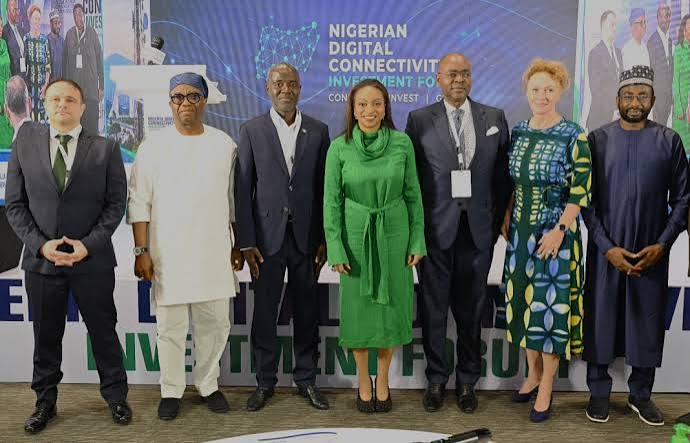
Nigeria’s rapidly rising demand for digital services is putting fresh pressure on the country’s telecommunications infrastructure, with data consumption increasing by nearly 47 per cent within one year, the Nigerian Communications Commission (NCC) has disclosed. The development has renewed calls for sustained investment in broadband, fibre networks and other digital infrastructure as Nigeria seeks to expand its digital economy and pursue its $1 trillion economic ambition by 2030.
The NCC said Nigerians consumed about 1.66 million terabytes of data in July 2026, compared with approximately 1.13 million terabytes recorded in July 2025. Executive Vice Chairman of the Commission, Dr Aminu Maida, said the increase reflected growing dependence on digital services by individuals and businesses, while warning that existing infrastructure would require continued expansion and modernisation to keep pace with demand.
Stakeholders at the Nigeria Digital Connectivity Investment Forum in Abuja identified broadband connectivity, fibre infrastructure, data centres, cloud services and reliable power as critical requirements for sustaining Nigeria’s digital transformation. Minister of Industry, Trade and Investment, Jumoke Oduwole, said digital infrastructure had become central to business competitiveness and international trade, while noting that technologies such as artificial intelligence, digital payments and cloud computing were creating new investment opportunities across the economy.
However, industry operators said infrastructure expansion continues to face challenges, including high energy costs, fibre deployment barriers and regulatory issues across states. The NCC is therefore seeking stronger participation from local and international investors, development finance institutions and infrastructure providers to close connectivity gaps. As demand for data continues to grow, stakeholders say the quality and reach of Nigeria’s digital infrastructure could increasingly determine how effectively businesses, innovators and technology startups participate in the country’s next phase of economic growth.