

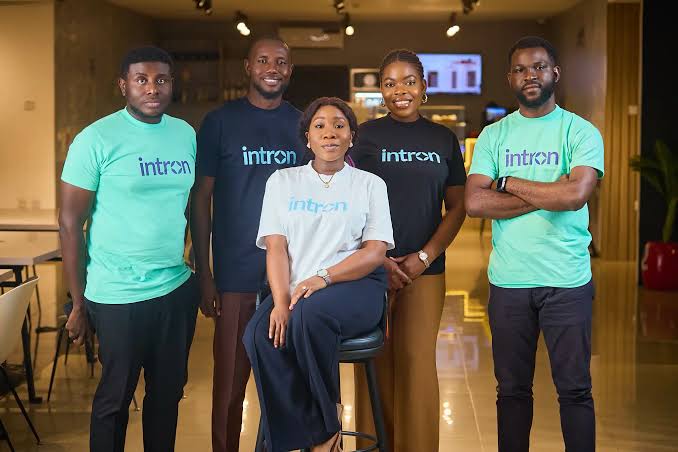
Nigerian artificial intelligence startup Intron has launched Sahara v2.5, an upgraded voice AI model designed to understand the way Africans naturally communicate, including conversations in which speakers switch between English and indigenous languages. The company unveiled the new technology as part of its effort to address a major limitation of conventional voice AI systems, which often struggle with African accents, local expressions and multilingual conversations. The latest version specifically expands support for language mixing across 12 African languages.
A major feature of Sahara v2.5 is its ability to recognise code switching, a common communication pattern in which speakers move from one language to another within the same sentence or conversation. In Nigeria, for example, a speaker may combine English with Yoruba, Hausa, Igbo or Nigerian Pidgin without consciously treating the languages as separate. Intron says Sahara v2.5 is designed to follow such conversations more naturally, while its wider language capabilities include African languages such as Hausa, Igbo, Kinyarwanda, Luganda, Swahili, Wolof and Yoruba.
The new model also introduces voice generation capabilities, allowing AI systems not only to understand African languages but also to respond in them. Intron says Sahara v2.5 can generate speech in languages including Igbo and Hausa and can switch between languages during a conversation. This development could have applications in customer service, healthcare, financial services, call centres and other areas where people may prefer to communicate in the languages they use in everyday life.
The launch further strengthens Nigeria’s position in the emerging African AI ecosystem by demonstrating how locally developed technology can address challenges that are often overlooked by global AI systems. Intron has positioned Sahara around the linguistic realities of the continent, arguing that Africans should be able to interact with artificial intelligence without having to change their accents, abandon local expressions or restrict themselves to a single language. With Sahara v2.5 extending multilingual speech recognition and voice generation, the company is seeking to make AI more accessible and useful to millions of Africans whose everyday communication does not fit neatly into one language.