

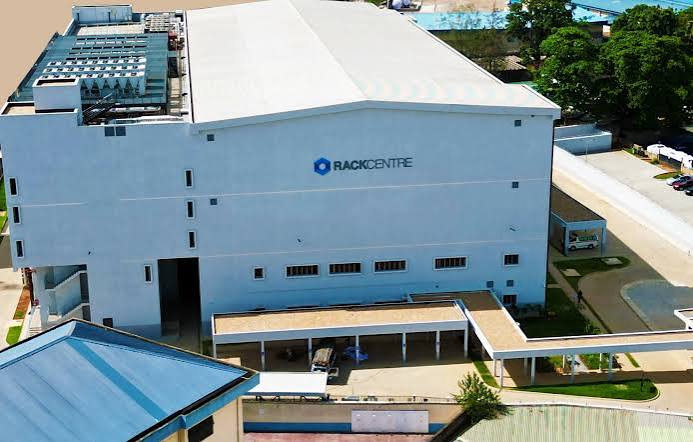
Nigeria’s data centre operators have developed the resilience required to support the Central Bank of Nigeria’s data localization directive despite the country’s persistent power challenges, industry experts have said. They spoke during an Africa Hyperscalers webinar on the implications of the CBN policy requiring banks, fintechs and payment service providers to store and manage payment transaction data generated in Nigeria locally from January 1, 2027.
Speaking at the virtual session, themed “From Regulation to Infrastructure: What the CBN’s Data Localization Directive Means for Nigeria’s Digital Economy,” the Chief Executive Officer of Geniserve, Mr Gbenga Adegbiji, said Nigerian operators have spent years engineering around unstable electricity supply through multiple layers of redundancy, backup systems, failover mechanisms and disciplined power management. He maintained that certified Nigerian data centres are built to global Tier standards and are designed to deliver high availability despite the country’s operating environment. Similarly, the Chief Executive Officer of Open Access Data Centres, Mr Ayotunde Coker, said power reliability is now a global infrastructure concern, stressing that the real issue is effective planning and integration of resilient energy systems.
The experts noted that the CBN directive has shifted the conversation from policy to implementation, with the financial sector now focusing on how banks, fintechs, cloud providers, data centre operators and regulators can collaborate to migrate critical financial workloads securely and efficiently. They argued that Nigeria already possesses certified data centres, established bank colocation models, disaster recovery facilities and interconnection infrastructure capable of supporting large scale financial operations.
The speakers added that the directive could significantly boost demand for local cloud services, data centres and managed infrastructure providers. However, they urged the Central Bank to provide clearer implementation guidelines, particularly for fintech companies that rely heavily on global cloud platforms. According to the experts, while Nigeria’s power challenges remain, they have compelled local operators to build resilient infrastructure that positions the country to successfully implement the CBN’s data localization policy.