

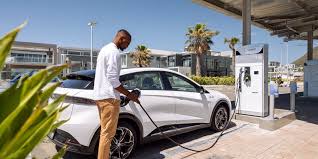
For many years, the idea of electric vehicles in Nigeria sounded like something reserved for Europe, China or the United States. Nigerian roads were firmly dominated by petrol powered cars, diesel buses, noisy motorcycles and smoky tricycles. But things are gradually beginning to change. Across major cities such as Lagos, Abuja and Port Harcourt, electric vehicles are slowly becoming part of everyday transportation conversations. What once looked like a distant technological dream is now emerging as a practical response to rising fuel prices, economic realities and global climate concerns.
The turning point came after the removal of fuel subsidy in 2023, when petrol prices skyrocketed across the country. Transport fares increased sharply and commercial drivers found themselves spending a large portion of their daily income on fuel. Suddenly, many Nigerians began searching for alternatives that could reduce transportation costs and offer some stability in a difficult economy. That shift opened the door wider for electric mobility companies that had quietly been testing the Nigerian market for years.
Today, several indigenous and international firms are pushing electric transportation into the mainstream. JET Motor Company has become one of the most visible Nigerian companies assembling electric vehicles locally, including buses designed for urban transportation. The company’s entry into the market signaled growing confidence that Nigeria could eventually build its own electric mobility industry rather than depend entirely on imports. Similarly, Siltech World Limited has continued promoting electric cars and renewable energy solutions as part of efforts to encourage cleaner transportation systems.
In the commercial transportation sector, startups are driving some of the biggest changes. MAX.ng has invested heavily in electric motorcycles targeted at ride hailing, delivery and logistics operators. The company believes electric bikes can significantly reduce operational costs for riders who traditionally spend large amounts on petrol and maintenance daily. Another rapidly expanding player is Spiro, which is building electric bike networks and battery swapping stations across African cities, including Nigeria. Instead of waiting hours to charge batteries, riders can quickly swap depleted batteries for fully charged ones within minutes, making electric mobility more practical for commercial use.
The attraction towards electric vehicles in Nigeria is largely economic. Unlike conventional vehicles that depend entirely on petrol or diesel, EVs run on rechargeable batteries, reducing fueling costs significantly. Many commercial operators who have tested electric motorcycles and tricycles report spending far less daily compared to their counterparts using fuel powered engines. Maintenance costs are also lower because electric engines have fewer moving components and require less servicing. In an economy where inflation continues to squeeze household incomes, these savings are becoming increasingly important.
Beyond economics, environmental concerns are also contributing to the growing interest in EV adoption. Nigerian cities continue to struggle with worsening air pollution caused by vehicle emissions, generators and industrial activities. Environmental experts warn that poor air quality is contributing to respiratory illnesses and broader public health challenges. Electric vehicles present an opportunity to reduce carbon emissions and support cleaner urban living. Although Nigeria’s electricity sector still relies heavily on fossil fuels, experts believe the expansion of solar and renewable energy projects could strengthen the environmental benefits of electric transportation in the future.
Another major factor driving interest is the country’s growing technology ecosystem. Young Nigerian entrepreneurs are beginning to see electric mobility as more than just transportation. For many of them, it represents an opportunity to build businesses around battery technology, charging infrastructure, software systems, fleet management and renewable energy integration. Companies like EMVC Nigeria are focusing on electric mobility infrastructure and ecosystem development, while firms such as Blue Camel Energy are exploring renewable energy solutions capable of supporting EV charging systems.
Despite the growing momentum, the journey toward widespread EV adoption in Nigeria remains challenging. One of the biggest obstacles is the country’s unreliable electricity supply. Charging electric vehicles requires stable and accessible power infrastructure, yet millions of Nigerians still struggle with regular blackouts and inconsistent electricity distribution. For many consumers, concerns about where to charge their vehicles and how long charging would take continue to create hesitation. Without significant improvements in power supply, experts say mass adoption may remain difficult.
The cost of electric vehicles also remains a serious barrier. Most EVs available in Nigeria are still imported, making them expensive due to foreign exchange rates, import duties and shipping costs. Even though owners may eventually save money through reduced fueling and maintenance expenses, the initial purchase price remains beyond the reach of many Nigerians. Industry stakeholders have repeatedly called on the Federal Government to introduce incentives such as tax waivers, lower import duties and financing support to encourage more consumers and investors to embrace electric mobility.
Charging infrastructure is another area where Nigeria still has considerable work to do. Unlike petrol stations that can be found almost everywhere, EV charging stations are still scarce. Most available charging points are concentrated in a few urban locations, making long distance travel difficult for electric vehicle owners. This challenge has encouraged some companies to develop alternative solutions such as battery swapping systems for motorcycles and tricycles. Analysts believe that partnerships involving government agencies, private investors and electricity providers will be crucial in building a nationwide charging network.
Public awareness is equally important. Many Nigerians are still unfamiliar with how electric vehicles operate and often worry about battery durability, safety and long term reliability. There are also very few trained technicians with specialised expertise in EV maintenance and battery systems. As the sector grows, experts believe technical training institutions and universities will need to begin preparing a new generation of engineers and mechanics capable of supporting the electric mobility industry.
Even with these challenges, many industry observers remain optimistic about Nigeria’s future in electric transportation. With its large population, expanding urban centres and growing demand for affordable mobility, the country has the potential to become one of Africa’s largest EV markets. Global manufacturers such as Tesla and BYD are already attracting attention among Nigerian consumers through dealerships and private imports. If Nigeria can improve electricity supply, encourage local manufacturing and provide supportive government policies, electric vehicles may eventually move from being a niche innovation to becoming a normal part of daily life on Nigerian roads.