

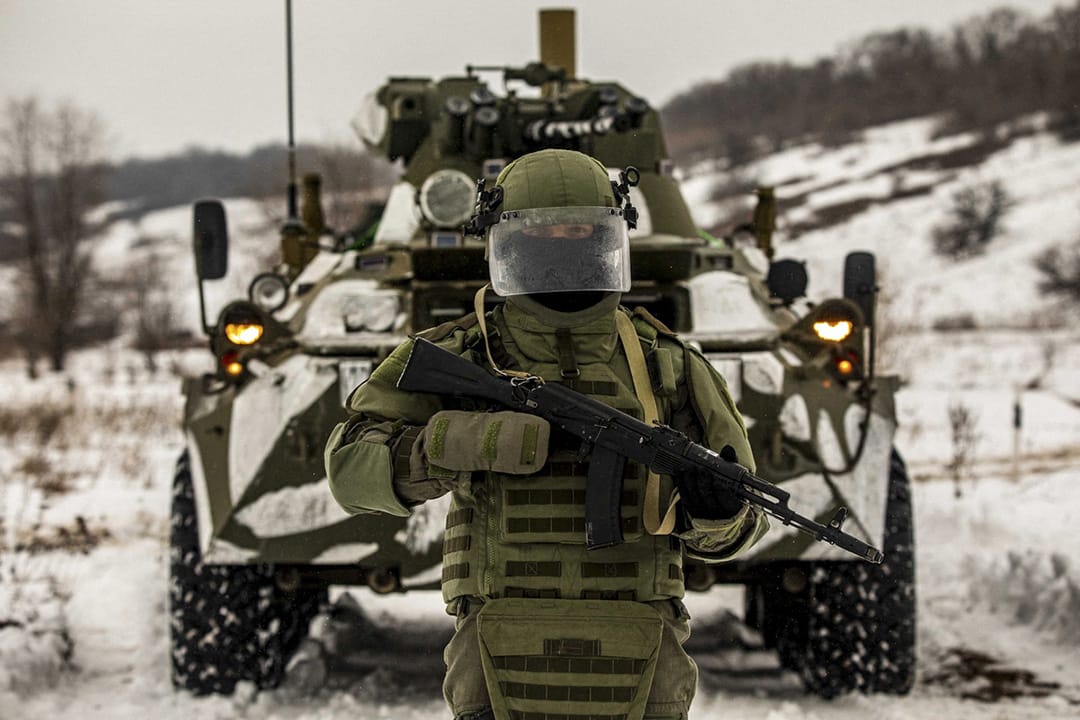
Former soldiers are increasingly driving Europe’s defence technology revolution, using battlefield experience to refine innovations as record investment flows into the sector. One such example is German ex-army officer Matt Kuppers, whose evaluation of an Austrian startup’s anti-drone weapon uncovered accuracy issues caused by overheated gun barrels — a flaw missed by its civilian founders. His insight, rooted in infantry training, highlights how veterans are offering vital knowledge to startups at a time when NATO spending and the Ukraine war have accelerated demand for tested solutions.
A Reuters analysis shows that veterans now lead about a quarter of Europe’s 80-plus defence startups, compared with CEOs of top defence contractors who rarely have military backgrounds. With venture capital investment in European defence firms hitting $5.2 billion in 2024 — over 500% higher than before the Ukraine war — soldier-entrepreneurs are increasingly at the forefront of rapid development. These startups, ranging from drone makers to AI-powered battle planning software firms, have compressed production timelines from years to mere months to meet urgent battlefield needs.
Industry leaders argue that only those with direct combat experience can effectively anticipate real-world challenges. “You can’t solve a problem you don’t know — one you’ve never felt yourself,” said Marc Wietfeld, a former German officer who founded unmanned ground vehicle maker ARX Robotics. Veterans not only bring credibility with frontline soldiers but also an insider’s understanding of procurement processes, giving their companies a competitive edge in navigating Europe’s growing defence markets.
The surge of veterans into the sector reflects both opportunity and necessity. Emmanuel Jacob, president of the European Organisation of Military Associations, said he has never seen so many long-serving soldiers moving into startups, citing NATO’s rising defence budgets and Ukraine’s demand for combat-ready solutions. Many are turning their expertise into entrepreneurship, a path seen as faster and more impactful than joining traditional defence contractors. From Estonian-backed drone firms to British-founded battle planning software companies, veterans are shaping a new generation of nimble, combat-tested startups.
For investors and soldiers alike, credibility on the battlefield remains a decisive factor. Ukrainian soldier Viktoriia Honcharuk recounted how one unmanned vehicle, which looked promising on paper, failed catastrophically at the front lines, wasting €300,000. “I wish more companies were founded by military people,” she said, echoing a sentiment widely shared across Ukraine’s forces. The blend of veteran expertise, venture capital, and AI-driven tools has created fertile ground for defence innovation — but it is those with combat experience who are increasingly setting the pace