

By Tolu Olufadeju, Nigeria
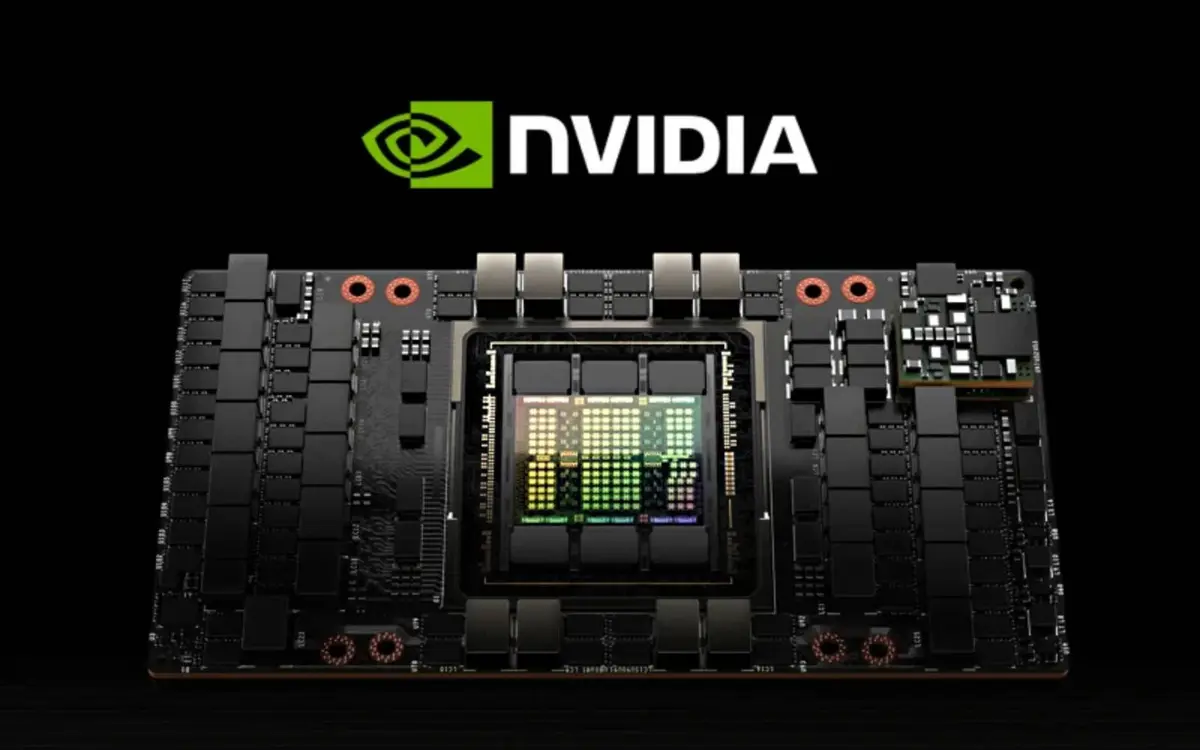
Chinese authorities have summoned leading domestic technology companies, including Tencent, ByteDance and Baidu, to explain their recent purchases of Nvidia’s H20 chips, Reuters reports. The Cyberspace Administration of China (CAC) and other agencies reportedly expressed concerns over potential information risks linked to the U.S.-made chips, particularly the possibility that materials submitted to Nvidia for U.S. government review could contain sensitive client data. Officials also questioned why these firms opted for Nvidia hardware instead of sourcing from Chinese suppliers, but have not issued an outright ban on such purchases.
The H20 chip, according to Nvidia, is neither a military product nor intended for government infrastructure. The company stated that China has an adequate supply of domestic chips to meet its needs and would not rely on American hardware for government operations—just as the U.S. would not depend on Chinese chips. However, Bloomberg News earlier reported that Chinese authorities had advised domestic firms to avoid using H20 chips, especially for government-related or national security work, with some state enterprises and private companies receiving official notices to that effect.
In a separate report, The Information claimed that ByteDance, Alibaba and Tencent were instructed by the CAC in recent weeks to halt Nvidia chip purchases altogether, citing data security concerns. This directive reportedly followed a meeting between the regulator and over a dozen Chinese technology companies, held shortly after the U.S. government lifted export restrictions on the H20 chips. The CAC has not publicly confirmed these instructions, and Baidu, ByteDance, Tencent, and the regulator have so far declined to comment on the matter.
The reported scrutiny underscores Beijing’s growing focus on technological self-reliance and data sovereignty in the face of U.S.–China tech tensions. While the H20 is considered less advanced than Nvidia’s most powerful chips, it remains an attractive option for artificial intelligence applications. Analysts suggest the move could further accelerate investment in China’s domestic semiconductor industry, as the government pushes major tech firms to reduce dependence on foreign suppliers for critical hardware.