

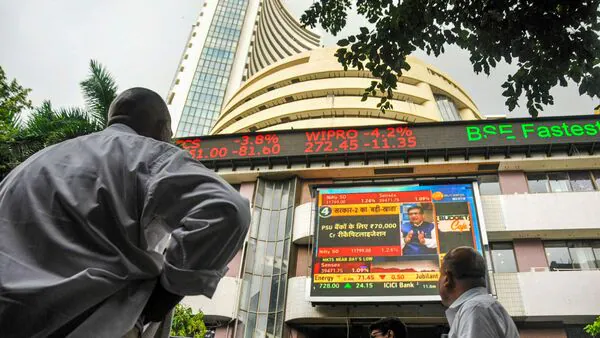
India’s major stock exchanges, including the Bombay Stock Exchange (BSE), have heightened their cybersecurity protocols following a joint meeting held on Tuesday to address concerns over emerging digital threats, according to sources familiar with the matter. The development comes amid heightened geopolitical tensions in the region, although it remains unclear whether the cyber threats are directly connected to the ongoing conflict between India and Pakistan.
A BSE spokesperson, responding to queries from Reuters, confirmed that the exchange is consistently vigilant against cyber threats. While the spokesperson did not confirm any recent incidents targeting the BSE, they emphasized that protective actions have been taken based on routine monitoring of cyber traffic. “BSE, being a critical market infrastructure institution (MII), proactively and continuously monitors risks at domestic and international levels for potential cyber threats,” the spokesperson said.
As a precautionary measure, the BSE has begun selectively blocking access to certain websites and locations to safeguard its systems and users. Access is now being permitted only on a case-by-case basis. Sources indicated that these measures are entirely precautionary and not the result of a known breach, stressing that market operations remain unaffected and are continuing normally.
The National Stock Exchange (NSE), India’s largest stock exchange, has not yet commented on the matter. The coordinated move by Indian exchanges to reinforce digital defenses underscores the financial sector’s increasing vulnerability to cyberattacks, especially in periods of geopolitical instability.
Cybersecurity has become a focal point for critical infrastructure operators worldwide as state-sponsored attacks and other forms of digital aggression continue to rise. Indian regulatory bodies and market institutions have also stepped up collaboration in recent years to mitigate risks in the financial ecosystem, especially as digitization expands.