

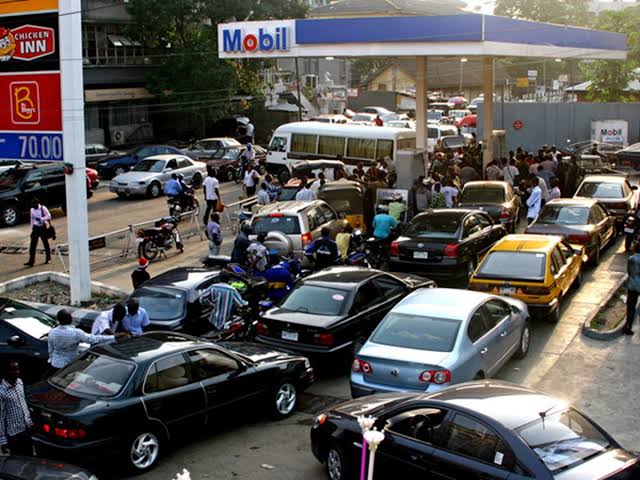
The cost of importing petrol and other petroleum products into Nigeria has significantly dropped, paving the way for lower pump prices across the country. According to data from the Nigerian National Petroleum Company (NNPC) and the Major Energy Marketers Association of Nigeria (MEMAN), the landing cost of petrol has fallen from ₦977 to ₦935.94 per litre.
In line with the decrease, attributed to recent exchange rate stability, energy analysts say they expect filling stations nationwide to lower petrol prices, with most outlets likely to sell for less than ₦1,100 per litre.
Aviation fuel and diesel prices have also seen a decline, with their landing costs recorded at ₦1,117.48 and ₦1,071.8 per litre, respectively. The MEMAN report highlights that landing costs include various expenses, such as finance charges calculated at a 32% annual rate over 30 days, freight charges covering a 10-day shipping period, and fees paid to the Nigerian Ports Authority (NPA), including mooring and towage costs.
The Nigerian downstream sector has experienced increased competition, particularly between the Dangote Refinery and oil marketers leading to a reduction in prices, with petrol dropping from ₦1,200 in early November to about ₦1,080 at many stations.
Dangote Refinery, the largest single train refinery in the world, located in Lagos, recently signed an agreement with the Independent Petroleum Marketers Association of Nigeria (IPMAN) to supply 240 million litres of petrol monthly. This direct distribution deal eliminates intermediaries, enhancing efficiency and potentially further reducing costs.
Analysts suggest that price reductions are driven by exchange rate stability, increased imports, and competitive market dynamics but despite these gains, some challenges remain, including fluctuations in the naira-dollar exchange rate and global oil prices.
 Philips Babatunde