

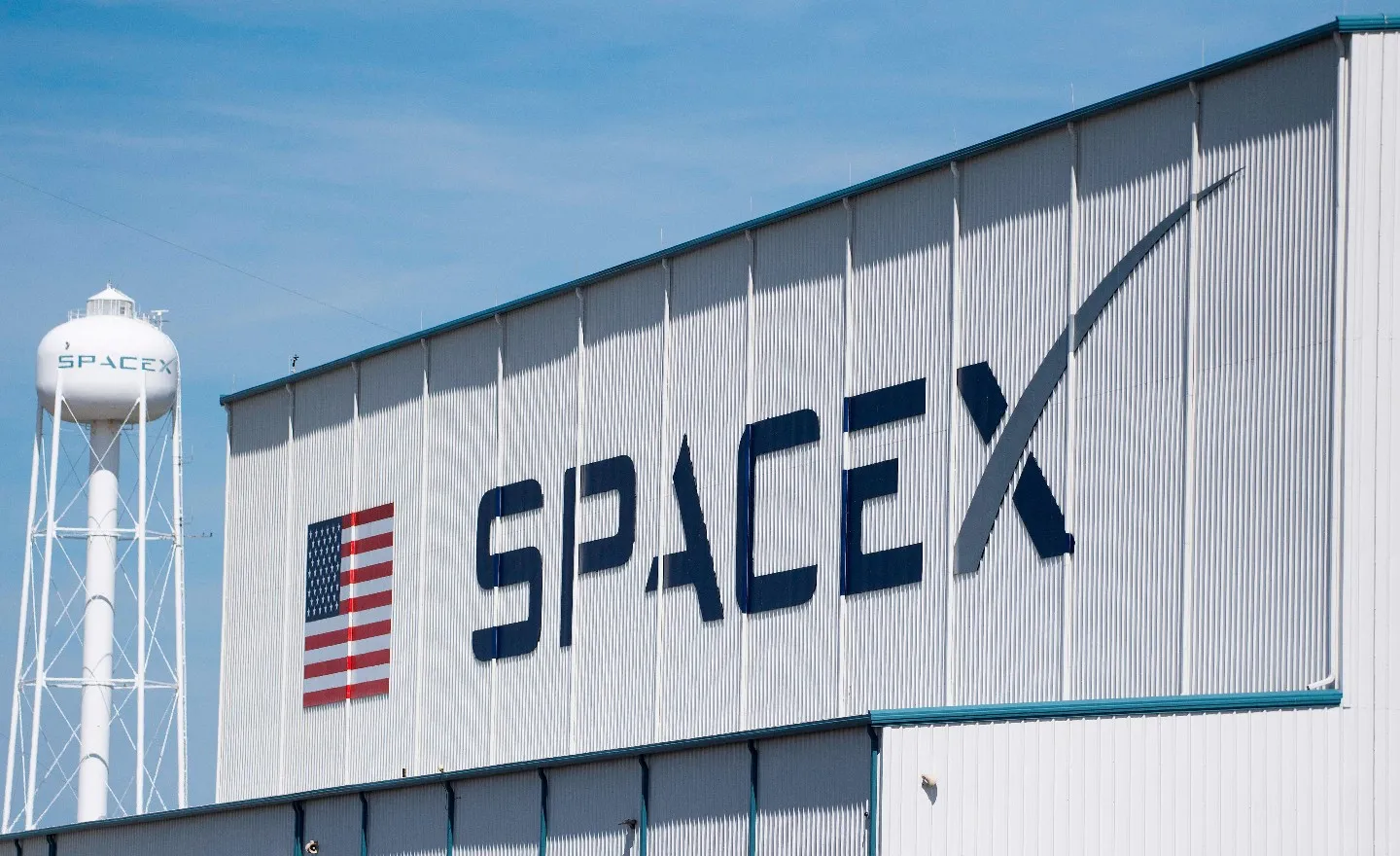
SpaceX’s ambitious agenda to launch its Starship mega-rocket up to 44 times annually from NASA’s Kennedy Space Center has ignited concerns among competitors and regulatory bodies. Recently, both Blue Origin and United Launch Alliance voiced apprehensions, urging regulators to minimize disruptions to other launch providers operating in the vicinity. Blue Origin even proposed restricting Starship operations to specific time slots and granting other providers priority for conflicting launches.
However, SpaceX’s aspirations extend beyond Kennedy Space Center. Plans disclosed at public meetings in March reveal intentions to utilize Space Launch Complex (SLC)-37 at Cape Canaveral Space Force Station (CCSFS) for up to 76 Starship launches annually. This could potentially escalate SpaceX’s total launch frequency to 120 per year within a six-mile radius along Florida’s coastline.
The U.S. Space Force is currently developing a draft environmental assessment, due for release in winter, which will detail SpaceX’s projected launch cadence. A Space Force spokesperson emphasized that these figures are subject to change, contingent upon Starship’s developmental progress and ecological considerations such as the presence of threatened scrub jay nests.
SLC-37, historically utilized by NASA’s Saturn rockets and more recently by United Launch Alliance’s Delta IV series, now awaits reactivation following ULA’s final Delta IV Heavy mission in April. The Space Force announced plans to initiate an environmental impact statement regarding Starship launches from this pad, assessing potential ecological ramifications. Similarly, the Federal Aviation Administration is conducting a separate impact study for SpaceX’s activities at Kennedy Space Center’s pad 39A, focusing on launch and landing operations involving Super Heavy boosters.
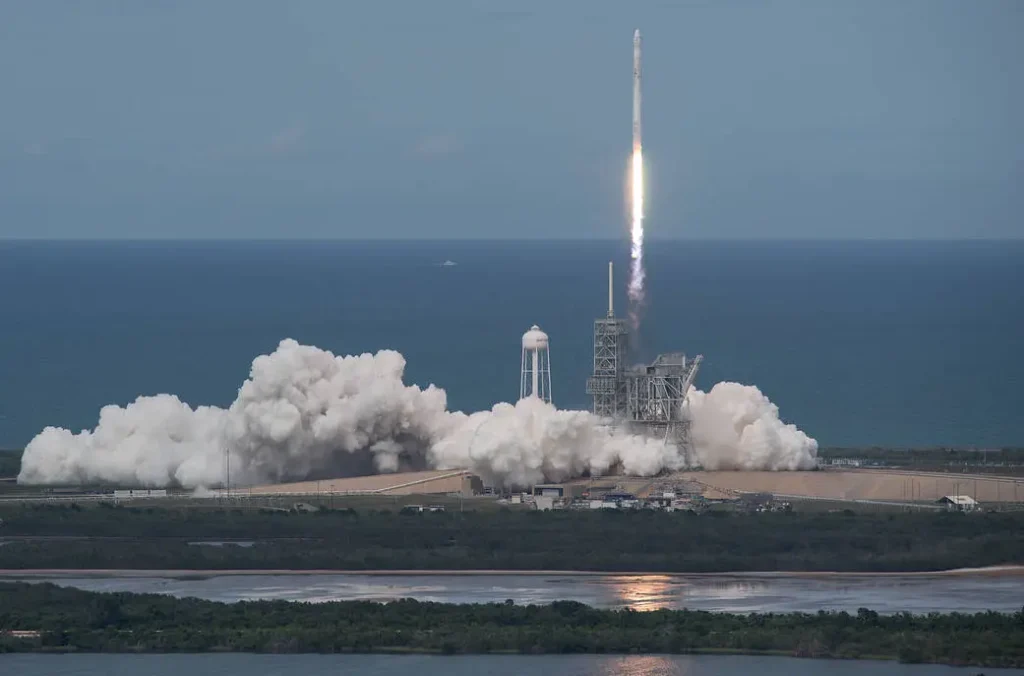
One potential scenario under review involves SpaceX constructing a new launch pad, designated SLC-50, to accommodate Starship operations. Both alternatives entail significant infrastructure development, including deluge ponds, fuel storage facilities, and catch towers, in preparation for the envisioned launch cadence.
As discussions and assessments progress, SpaceX’s competitors and environmental advocates remain vigilant, monitoring the company’s expanding footprint and its implications for Florida’s coastal ecology and aerospace landscape.
 Philips Babatunde