

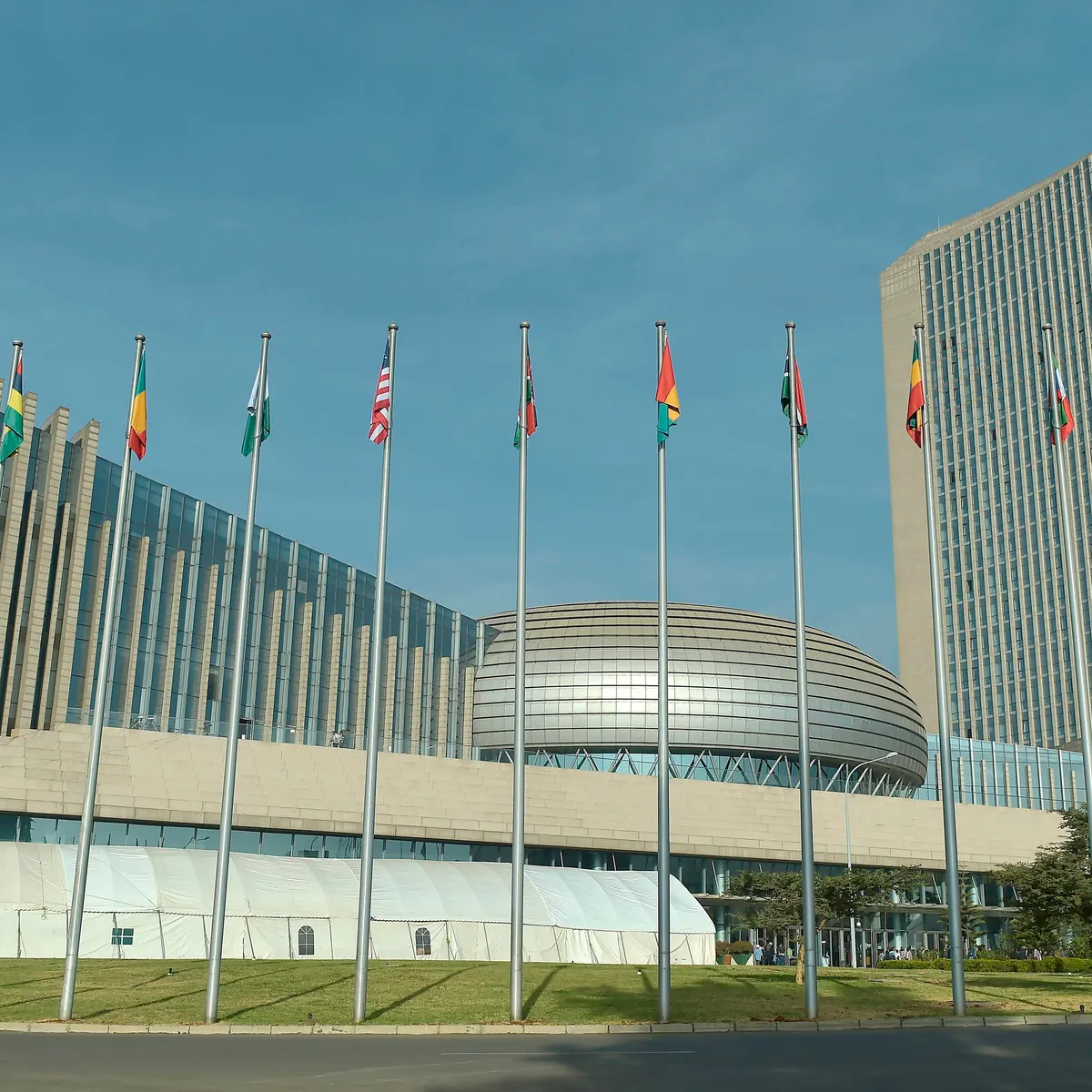
The African Union (AU) has underscored the importance of increased representation and influence for developing countries within global Artificial Intelligence (AI) governance structures to achieve sustainable development worldwide. This suggestion was made during a Special meeting of the United Nations Economic and Social Council (ECOSOC), which focused on harnessing AI for the realization of Sustainable Development Goals (SDGs).
Maniratanga Zéphyrin, the AU’s representative to the UN and Burundi’s Permanent Representative, emphasized the necessity of involving developing countries in AI governance for the technology to serve beneficial purposes. He highlighted the potential benefits of digital transformation for Africa’s development, acknowledging, however, the significant hurdles posed by limited resources, funding constraints, and limited coordination.
Zéphyrin advocated for increased representation of developing countries in AI governance structures to construct a transparent, equitable, non-discriminatory, and cooperative international environment for Artificial Intelligence. He stressed the importance of the African Digital Compact in providing a structured framework for Africa’s digital transformation and supported the application of the Global Digital Compact to ensure digital technologies, including AI, foster a safe, equitable, and open digital future for all.
The Special Meeting convened stakeholders to explore ways to harness AI technologies to address complex societal challenges and achieve the SDGs. ECOSOC president, Paula Narváez, highlighted the transformative potential of AI but emphasized the need for careful governance and ethical frameworks to ensure unbiased development and benefits for all.
The United Nations, of which the AU is a part, believes that the gap between AI and its governance is widening and that AI-associated risks are diverse. In September 2020, the UN released a report titled “Our Common Agenda,” proposing solutions such as digital connectivity, avoiding internet fragmentation, accountability, and the application of human rights online.
The report suggests the establishment of a Global Digital Compact, to be agreed upon at the UN Summit of the Future in September 2024, outlining shared principles for an open, free, and secure digital future for all. Discussions on the use of AI have been ongoing, with concerns raised about the rise of AI-generated misinformation content as the development and usage of AI tools continue to increase.