

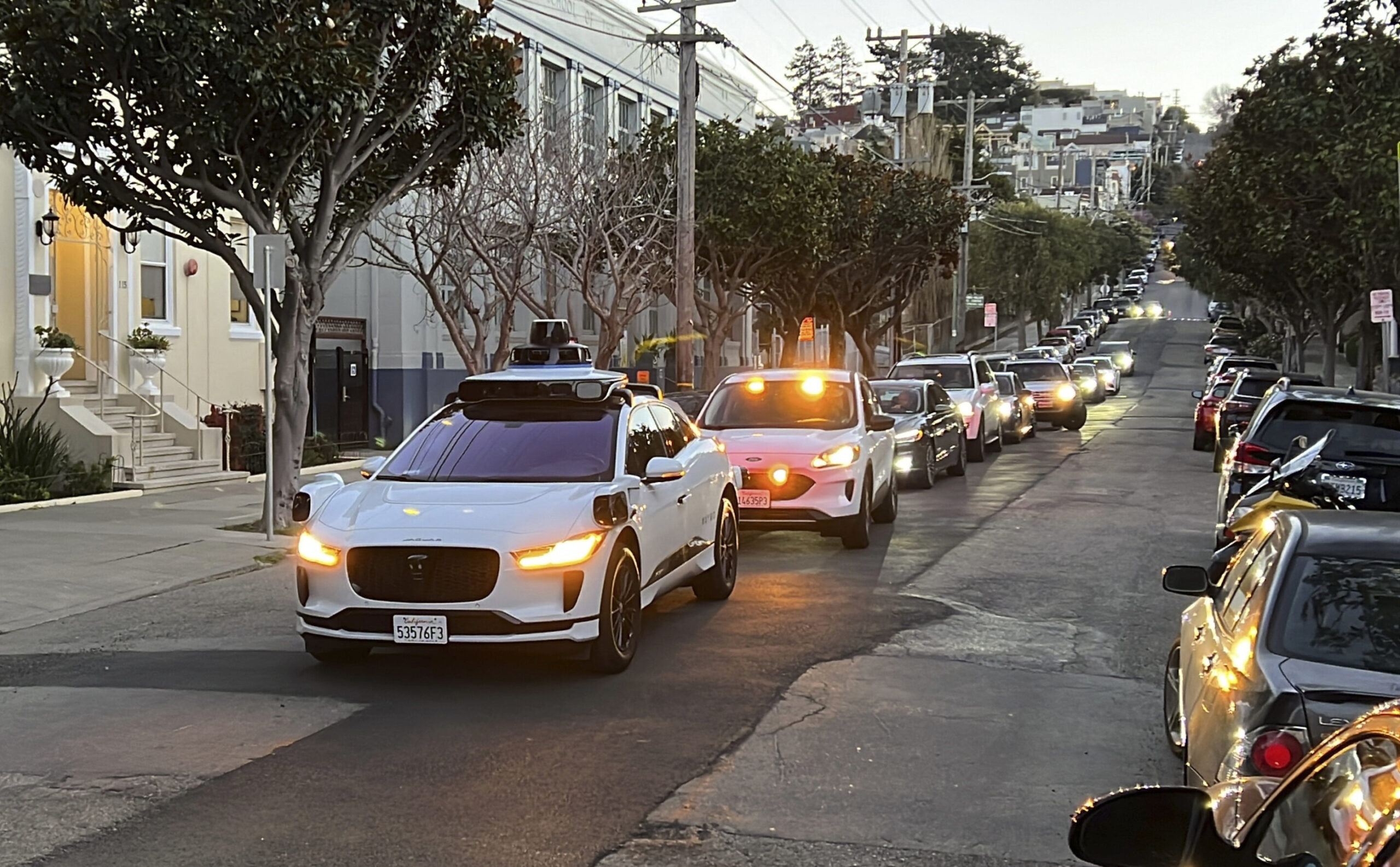
Concerns surrounding the safety of autonomous vehicles have prompted a California regulator to halt Alphabet’s (GOOGL.O) Waymo’s application to expand its robotaxi services in parts of the Los Angeles area and San Francisco’s peninsula until June 19.
In a separate incident last October, a self-driving vehicle from GM-owned Cruise struck and dragged a pedestrian, resulting in California’s suspension of Cruise’s driverless testing license. These incidents have spurred California lawmakers to advocate for stricter regulation of robotaxis and autonomous trucks in the state.
According to a notification on the California Public Utilities Commission (CPUC) website, the application has been “suspended for further staff review.” Although the exact timing of the notification’s posting remains unclear, Waymo responded via email to Reuters, stating that the suspension is a procedural aspect of CPUC’s comprehensive review process.
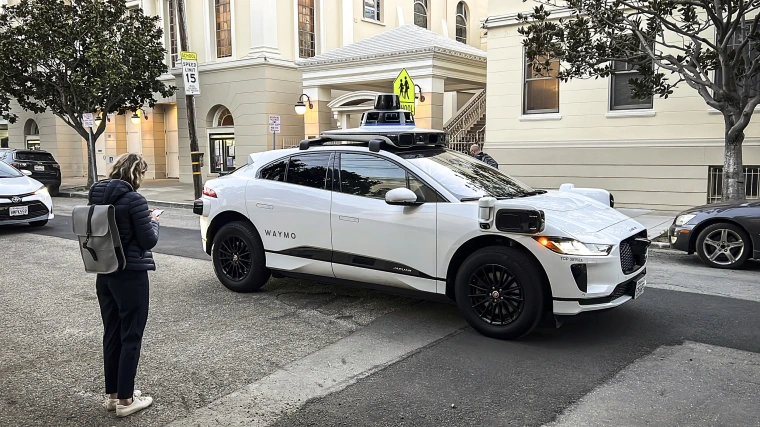
Per CPUC regulations, an application not approved within the initial 30-day review period enters a suspension phase for up to 120 days, which can be extended for an additional 180 days if necessary. Alternatively, it may face rejection or withdrawal.
Waymo, currently operating in San Francisco and Phoenix, submitted its application on January 19 to extend its driverless services, pledging collaboration with policymakers, first responders, and community organizations.
This suspension follows a series of incidents involving Waymo and its competitor, General Motors’ (GM.N) Cruise, leading to heightened public apprehension towards robotaxis.
Recently, a Waymo robotaxi was vandalized and set ablaze amidst Chinese New Year celebrations in San Francisco’s Chinatown. Prior to that, another Waymo vehicle was involved in a collision with a bicyclist at a city intersection.
In response to safety concerns, Waymo announced last week that it had recalled vehicles in Phoenix due to a software glitch that led to two minor collisions in rapid succession. The glitch caused inaccuracies in predicting the movement of a towed vehicle, prompting proactive measures from the company to address potential risks.