

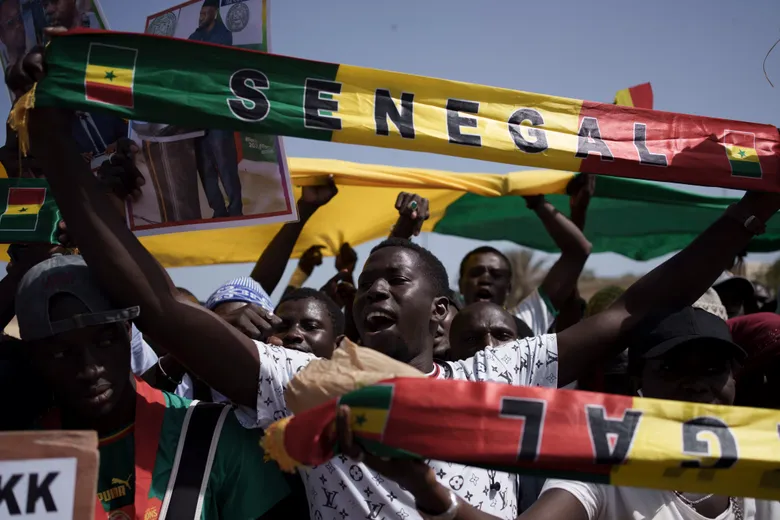
Senegal witnessed a temporary suspension of mobile internet services on Monday morning, intensifying the atmosphere in a country long regarded as one of Africa’s most stable democracies.
The suspension, the third within nine months, follows President Macky Sall’s decision to postpone the Presidential elections slated for February 25.
The government cited the dissemination of “hateful and subversive messages” on social networks as the rationale behind the shutdown, echoing similar justifications provided during previous internet suspensions. Tensions escalated following President Sall’s announcement of the six-month postponement, sparking protests across the nation.
Commenting on the situation, Tidjane Deme, General Partner at Partech, expressed concern over the government’s decision, highlighting the far-reaching implications of mobile internet disruptions on daily life in Senegal.
Political uncertainty has been on the rise in Senegal since the arrest of Ousmane Sonko, a prominent opposition leader, in June 2023. Subsequent to his arrest, several other opposition figures have faced similar treatment, with reports of arrests and police attacks on opposition candidates surfacing.
Amidst the internet shutdown, residents in Dakar resorted to alternative means such as WiFi to access online services. The Senegalese government’s crackdown on unauthorized sale of Starlink terminals in August further underscored its stance on regulating internet-related activities.
The economic toll of such shutdowns is substantial, with estimates suggesting that Senegal lost approximately $300,000 per hour during the June suspension alone!
Moreover, a report by Top1vpn revealed that Sub-Saharan African countries collectively lost $1.74 billion in 2023 due to government-induced internet shutdowns.
Internet shutdowns have become a recurring strategy employed by African governments to exert control, a trend observed since the 2011 Arab Spring.
Last year alone, at least ten countries in Africa implemented internet shutdowns, reflecting a broader pattern of governmental response to social and political unrest.