

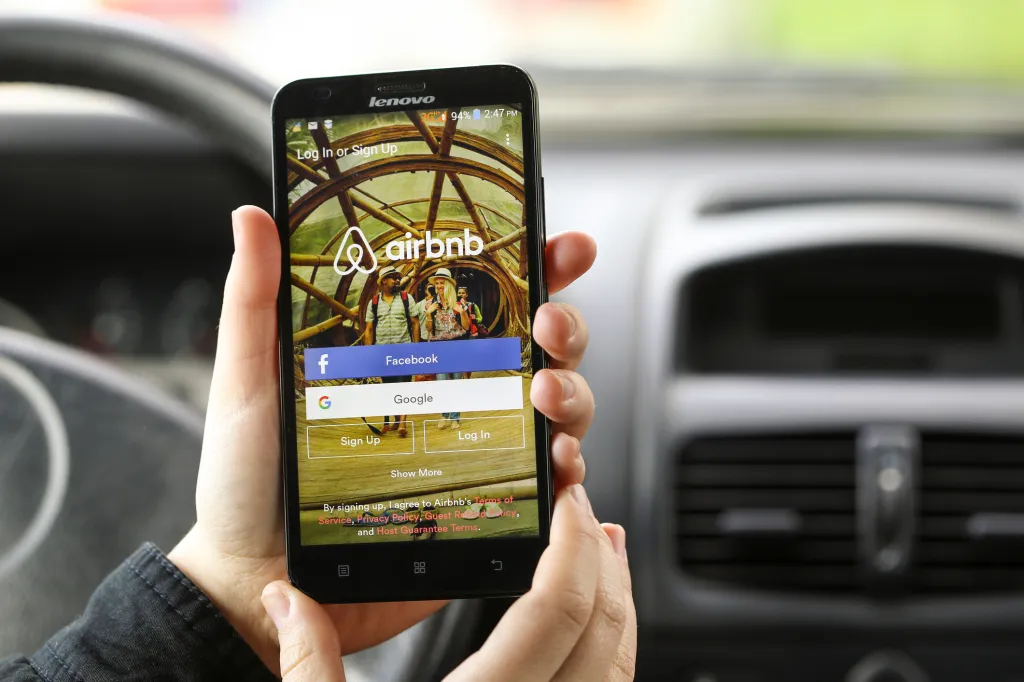
Airbnb says its custom built AI agent is already handling about one third of customer support cases in North America, with plans to expand the system globally. The company expects that within a year, more than 30 percent of its total customer service tickets worldwide will be resolved through AI voice and chat, across all languages where it also employs human agents. The move signals a deeper shift in how the company intends to balance automation and human support at scale.
Speaking during the company’s fourth quarter earnings call, CEO Brian Chesky described the rollout as transformative. He argued that AI would not only reduce Airbnb’s customer service costs but also significantly improve service quality, suggesting that in certain cases the technology could outperform human agents in speed and consistency.
The company also highlighted the recent appointment of CTO Ahmad Al-Dahle, formerly of Meta and Apple, where he led work on generative AI including the Llama models. According to Chesky, the goal is to build an AI native Airbnb experience that not only responds to users but understands them.
Chesky outlined plans for an app that goes beyond search to deliver personalized trip planning, help hosts manage their businesses more effectively, and improve operational efficiency. He argued that Airbnb’s competitive edge lies in its proprietary data, including 200 million verified identities and 500 million reviews, along with its ability to facilitate direct messaging between guests and hosts.
He maintained that generic AI chatbots lack access to this ecosystem and cannot replicate the integrated marketplace Airbnb has built over 18 years, during which it has processed more than 100 billion dollars in payments.
Financially, Airbnb reported fourth quarter revenue of 2.78 billion dollars, exceeding market expectations, and projected low double digit revenue growth for the year. While some investors raised concerns about long term competition from AI driven platforms entering the short term rental market, Chesky dismissed the threat, emphasizing Airbnb’s layered infrastructure of host tools, customer service, insurance, and user verification.
The company is already testing AI powered conversational search for a small portion of traffic and plans to introduce sponsored listings within search. Internally, it said 80 percent of its engineers now use AI tools, with a target of reaching full adoption in the near future, underscoring how deeply artificial intelligence is becoming embedded in its operations.