

OpenAI has announced plans to release its delayed o3 reasoning model alongside a next-generation variant called o4-mini in the coming weeks. This follows the company’s earlier decision in February to cancel the consumer launch of o3.
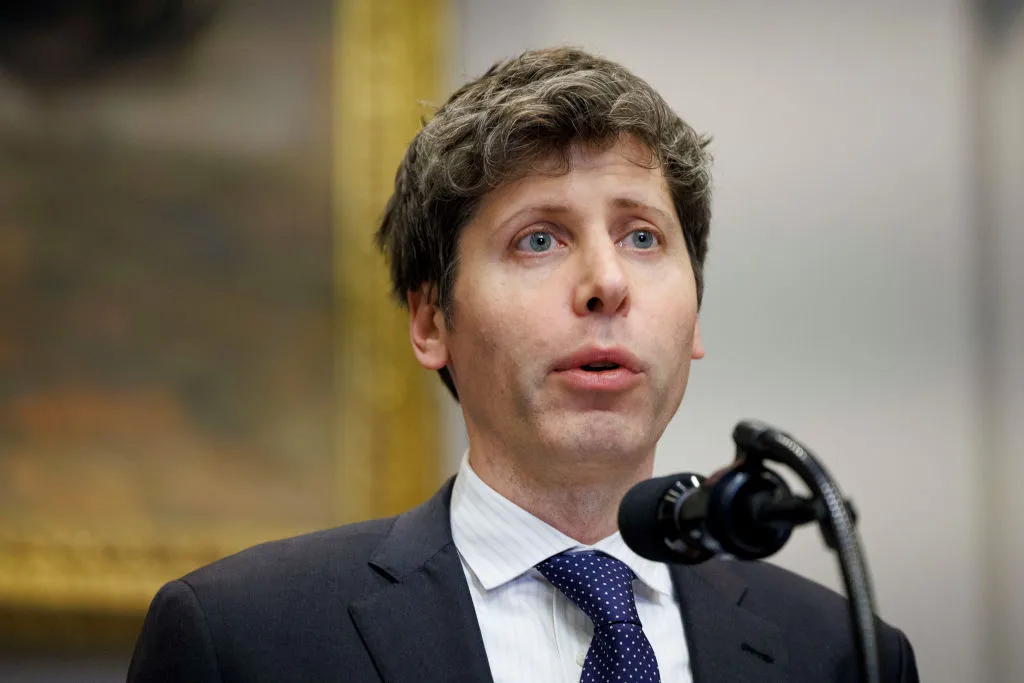
OpenAI CEO Sam Altman attributed the shift in plans to the development of GPT-5, which will unify various AI capabilities, including reasoning. Altman noted the integration has been more complex than anticipated and emphasized the need to ensure infrastructure can support what is expected to be unprecedented demand.
According to Altman, GPT-5 will now arrive “in a few months,” later than initially projected. OpenAI plans to provide different tiers of access to GPT-5: standard users will receive unlimited chat access at a baseline intelligence level, while ChatGPT Plus and Pro subscribers will access more advanced versions. GPT-5 is also expected to incorporate a suite of features such as voice, Canvas, search, and deep research tools, aiming to make it more versatile across a broad range of tasks.
One of OpenAI’s top priorities for GPT-5 is model unification — creating systems capable of using all tools efficiently and knowing when to apply deep reasoning. This approach is part of OpenAI’s broader strategy to push the limits of what AI can do, though it contrasts sharply with emerging competitors like DeepSeek. These rivals are embracing an “open” model-sharing strategy, offering their technologies to the wider AI community for testing and commercialization.
Beyond GPT-5 and the o-series models, OpenAI also plans to launch its first open language model since GPT-2. This upcoming model will include reasoning capabilities and undergo additional safety checks before release. Altman’s announcements suggest OpenAI is preparing for a busy rollout season as it faces mounting competition in the rapidly evolving AI landscape.