

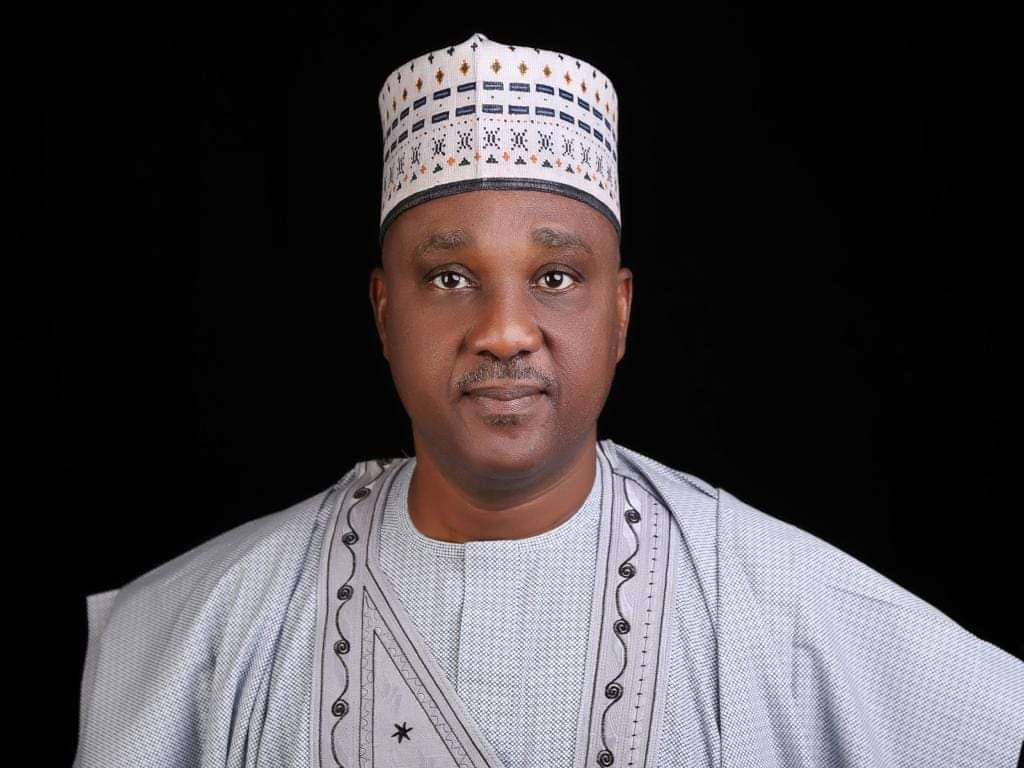
Speaker of Nigeria’s House of Representatives, Tajudeen Abbas, has called for urgent measures to address Nigeria’s alarmingly low tax-to-GDP ratio, which currently stood at 6 percent. Abbas emphasized the need to stimulate economic productivity to secure fiscal stability and reduce reliance on debt financing.
Abbas made the remarks on Monday during an interactive session on Tax Reform Bills held at the National Assembly Complex in Abuja, the country’s capital. The event was designed to provide lawmakers with a deeper understanding of the proposed bills and foster productive dialogue on contentious issues.
“Nigeria, despite being Africa’s largest economy, lags significantly behind the global average and the World Bank’s minimum benchmark of 15 percent tax-to-GDP ratio for sustainable development,” Abbas noted. “The challenge must be addressed to ensure fiscal stability and secure our nation’s future.”
He explained that the proposed tax reforms aim to diversify Nigeria’s revenue base, promote equity, and create an enabling environment for investment and innovation. He however stressed the importance of balancing public revenue needs with fairness and transparency for individuals and businesses.
Abbas acknowledged the controversies surrounding the bills, describing the debates as a healthy democratic process. “The controversies—whether in the media, civil society, or among governance stakeholders—highlight the importance of these reforms. This session aims to channel those discussions into productive outcomes by listening to diverse perspectives and seeking clarity on contentious provisions,” he said.
He clarified that the House had not taken a definitive stance on the bills, and emphasized the need for thorough scrutiny to ensure the proposals align with the best interests of Nigerians.
“Our role as lawmakers is to examine these reforms carefully, ensuring they serve the interests of our constituents and the nation at large. We owe this duty to Nigerians,” Abbas concluded.
The tax reform bills under consideration are seen as critical to Nigeria’s efforts to improve its fiscal health and economic sustainability, with the House engaging tax experts and stakeholders in rigorous debates to refine the proposals.
 Philips Babatunde