

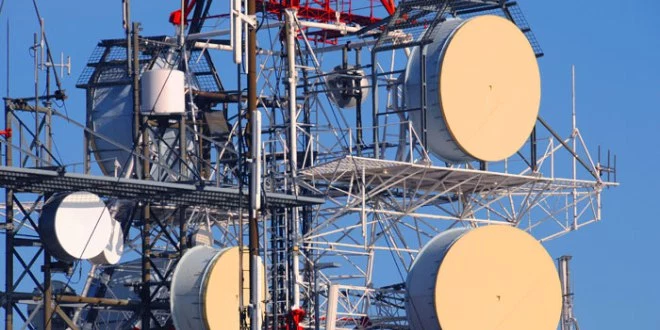
Some telecommunications operators in Nigeria have begun implementing load shedding in certain areas to reduce their operating costs, as the economic situation in the country continues to worsen. Industry sources revealed that this cost-cutting measure is being executed strategically, prioritizing high-revenue locations. As a result, the quality of network services varies, with some areas experiencing better connectivity than others.
Load shedding, in this context, involves the reduction of operational base stations in specific areas to lower expenses. This move comes amid ongoing debates about increasing telecom tariffs to counter the effects of the Naira devaluation and high inflation—a proposal the government has been reluctant to endorse. Despite this, the operators are under pressure to find innovative solutions to cope with rising costs, as emphasized by the Minister of Communications, Innovation, and Digital Economy, Dr. Bosun Tijani.
A source close to the matter, who preferred to remain anonymous, highlighted that the high cost of diesel for powering base stations has been a significant challenge for telecom operators, even before the current economic crisis. The situation has worsened with the foreign exchange crisis and the escalating cost of fuel for maintenance transportation, prompting some operators to resort to load shedding to manage costs. For instance, in less profitable areas, operators have extended the coverage radius between masts, effectively reducing the number of operational masts by half.
Another industry insider confirmed this development, noting that the cost-cutting strategy also includes reducing investments in new infrastructure, particularly affecting the expansion of 5G technology. This reduction in the number of operational masts has led to a decline in service quality in certain areas, where the remaining infrastructure struggles to manage the traffic load.
A senior official from one of the telecom companies, however, denied that this practice is widespread, claiming that all customers are treated equally, except in regions where insecurity has damaged base stations. The official explained that the safety of staff is a priority, and in areas plagued by insecurity, maintaining network infrastructure has become increasingly difficult, resulting in poor service quality.
The Chairman of the Association of Licensed Telecommunications Operators of Nigeria (ALTON), Engr. Gbenga Adebayo, has previously warned that if the challenges in the telecom sector persist without a resolution, operators may be forced to ration network availability to cut costs. ALTON has been advocating for a tariff increase, arguing that the current rates do not reflect the economic realities and inhibit further investments in the sector.
Amidst these challenges, the Nigerian Communications Commission (NCC) has introduced new quality of service regulations, setting out key performance indicators (KPIs) and penalties for non-compliance. These regulations aim to improve service quality, but how effective they will be remains uncertain given the current pressures facing the industry.