

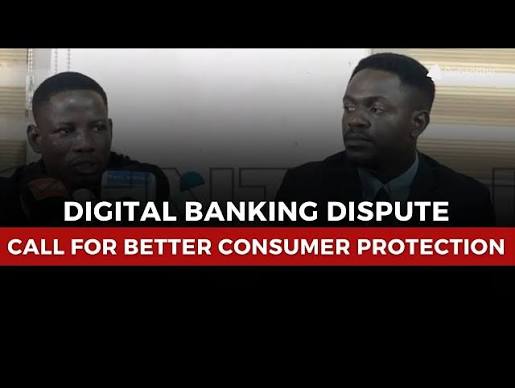
Nigeria’s digital banking sector is facing growing pressure to strengthen consumer protection as more individuals and businesses rely on mobile applications and online platforms for financial transactions. The expansion of digital financial services has improved access to banking, particularly for underserved populations, but persistent complaints about failed transactions, delayed refunds, account restrictions and customer service are raising concerns about the quality of consumer protection.
Digital banks and fintech companies have become important players in Nigeria’s financial ecosystem, offering convenient alternatives to traditional banking services. However, as their customer bases expand, expectations are increasing for faster complaint resolution, transparent charges, secure transactions and accessible customer support. Poor handling of these issues could weaken public confidence in digital financial services and discourage some users from embracing cashless payments.
Regulatory oversight remains central to addressing these concerns. The Central Bank of Nigeria and other relevant authorities are expected to ensure that financial service providers comply with applicable consumer protection requirements, maintain effective complaint management systems and safeguard customers against fraud. Technology companies must also strengthen cybersecurity measures and communicate clearly with customers when technical failures disrupt services.
For Nigeria’s digital economy, consumer trust is essential to the sustainable growth of fintech innovation. Digital banks that combine technological efficiency with transparent operations and responsive customer service will be