

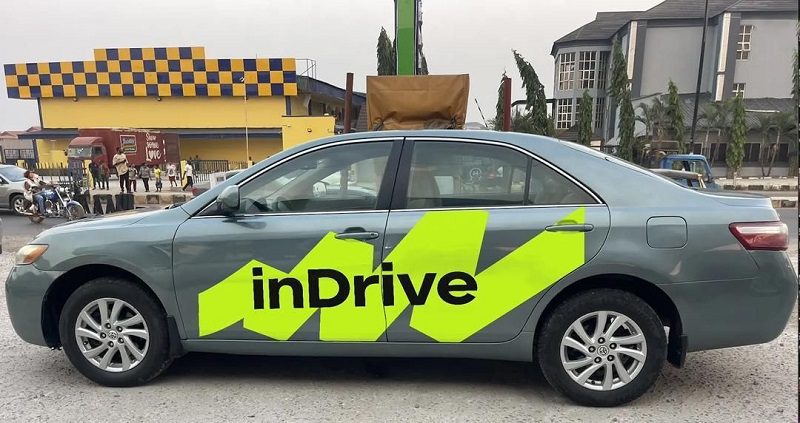
inDrive’s meteoric rise as the second most downloaded ride-hailing app globally is undeniably impressive. Yet, while many hail its achievements, a closer look reveals a complex story of innovation paired with controversy—a narrative that challenges conventional wisdom about success in the mobility sector.
Critics might argue that being the “second most downloaded” app is a double-edged sword. Although the accolades from Sensor Tower confirm inDrive’s popularity in diverse markets, especially Nigeria, this ranking also raises questions about what it means to be second and whether the platform has truly surpassed its competitors in overall quality.
At its core, inDrive’s unique peer-to-peer pricing model is celebrated as a groundbreaking departure from algorithm-driven fares. By empowering riders and drivers to negotiate fares directly, the company has not only democratized pricing but also disrupted the established norms of the ride-hailing industry. However, skeptics wonder if this model, while flexible, might also sow the seeds of inconsistency and potential disputes between users.
Proponents argue that such flexibility is essential for addressing the needs of price-sensitive markets. Yet, allowing fares to be set through negotiation could lead to unpredictable costs, potentially undermining consumer trust in regions where pricing stability is highly valued.
inDrive’s notable customer satisfaction rating—topping Nigeria’s Customer Service Index with a 60% positive perception—speaks volumes about its commitment to service. Still, one must ask if these metrics are sustainable in the long term or merely the result of a well-executed short-term strategy aimed at winning over a skeptical market.
The company’s strategic focus on underserved markets has undeniably paid off, expanding its footprint to over 888 cities across 48 countries. But, while this aggressive expansion garners praise for inclusivity, it also invites criticism. Some question whether rapid market penetration might come at the expense of service quality or regulatory compliance in regions unaccustomed to such disruptive models.
Adaptability has been another cornerstone of inDrive’s success. By diversifying into intercity travel, freight transportation, and courier delivery, the platform has broadened its appeal. However, this multifaceted approach may also dilute the brand’s core promise. Critics argue that venturing into too many areas could risk stretching resources thin and compromising its primary ride-hailing service.
In Nigeria, where economic pressures such as soaring fuel prices have made conventional ride-hailing options less attractive, inDrive’s flexible pricing and driver autonomy resonate strongly. Yet, this very environment also raises concerns about the long-term viability of a model that depends so heavily on fluctuating local economic conditions and the willingness of drivers to adapt.
The platform’s transparent approach has built a reputation of trust among its users, contrasting sharply with competitors plagued by high commission fees and surge pricing controversies. Nonetheless, a devil’s advocate perspective might suggest that trust built on lower upfront fees could mask underlying issues like reduced earnings for drivers or unsustainable business practices masked as “fairness.”
Localization remains one of inDrive’s touted strengths, with the company tailoring services to meet the specific needs of different regions. While this strategy has enabled it to scale effectively, it also poses challenges. Skeptics point out that what works in one market might falter in another, risking misalignment with local cultures and regulatory landscapes.
Technology is undeniably the backbone of inDrive’s operation. Its user-friendly interface, seamless booking process, and real-time negotiation features have enhanced the customer experience. Yet, one might question whether the technology can keep pace with the evolving demands of a global user base, or if periodic glitches and outdated updates could tarnish its hard-earned reputation.
Effective marketing and community engagement have fueled organic growth, with word-of-mouth recommendations playing a pivotal role. However, the devil’s advocate in me must ask: can such momentum be maintained indefinitely, or will the challenges of saturated markets and evolving consumer expectations eventually erode the goodwill that has driven its current success?
Financial prudence is another cornerstone of inDrive’s strategy, as the company avoids aggressive fare hikes and maintains a lean operational model. While this approach has allowed for steady expansion, critics warn that a focus on short-term cost savings might hinder long-term investments in infrastructure and technology, potentially compromising quality over time.
In an increasingly competitive ride-hailing landscape, inDrive’s ability to carve out a niche through innovation and customer-centric policies is both commendable and controversial. As larger players intensify their efforts to dominate the market, one has to wonder if inDrive’s current success is a temporary anomaly or a sign of enduring change in how we perceive urban mobility.
Well, inDrive’s trajectory appears promising yet fraught with challenges. Its commitment to fair pricing, adaptability, and customer satisfaction may well secure its place in the global market, but only time will tell if these strategies can withstand the pressures of fierce competition, regulatory scrutiny, and the ever-shifting dynamics of consumer behavior. The inDrive’s story is far from a simple tale of success—it is an evolving experiment in redefining how we navigate the urban jungle.