

The selection of traditional rulers in Nigeria is an age-old practice steeped in history, customs, and rituals. Yet, despite its revered status, the process has often been marred by disputes, allegations of bias, and procedural opacity.
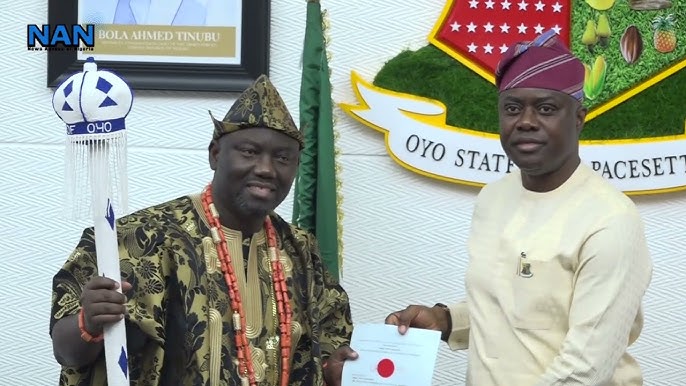
The recent controversies surrounding the appointment of Oba Abimbola Akeem Owoade as the new Alaafin of Oyo starkly highlight these challenges. Interestingly, many of these issues could have been addressed—if not entirely avoided—through the strategic adoption of digitization. Through the combination of modern technology and traditional practices, Nigeria would not only preserve its cultural heritage, but also modernize the governance of these institutions.
One of the primary issues in traditional leadership selection in Nigeria is the lack of transparency. Different allegations of favoritism and procedural breaches plagued the selection process of the new Alaafin Ikubabayeye, involving the Oyomesi (kingmakers) and the Oyo State Government.
The absence of a clear and traceable system fueled suspicions among stakeholders and concerned parties. Imagine if a centralized, digital platform had been in place—one that provided a clear roadmap of guidelines, eligibility criteria, and historical precedents for the selection process. Such a platform could have served as a public archive, accessible to all, ensuring that customs were honored and mistrust minimized. The resulting transparency would have been a game-changer, preempting allegations of bias and fostering confidence in the system.
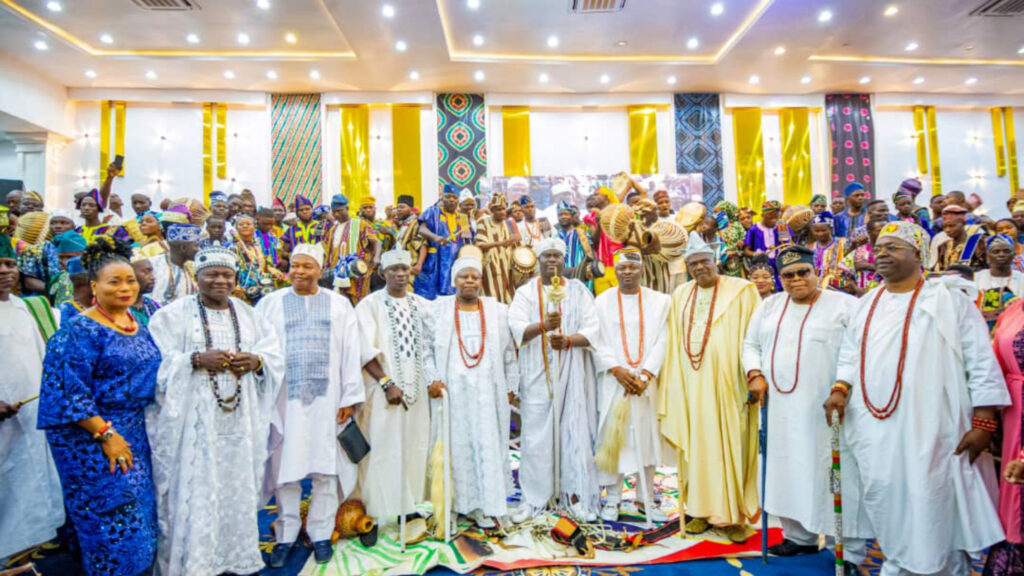
Even though the Oyo State Government under Governor Seyi Makinde had emphasized its position on transparency, asserting that the Alaafin’s stool would never be allowed to be commodified, and such stand receiving commendation from the Oluwo of Iwo, Oba Abdulrosheed Akanbi, for the efforts towards changing the narrative of traditional institutions in Yorubaland from analogue to digital, a ntangible digitization in the selection process remains absent. A robust digital system could have provided the clarity and fairness that these statements aspire to uphold.
Rumors and unverified claims really thrived during the Alaafin’s selection process, largely due to the lack of real-time updates. Traditional methods—relying on physical meetings and word-of-mouth—proved inadequate for dispelling misinformation and miscommunication. Digitization could have addressed this gap by leveraging official websites, social media channels, and mobile apps for timely updates. For example, the Oyo State Government could have issued clear, consistent information about its role and progress in the selection process. Such tools would have curbed speculation, maintaining public trust and reducing unnecessary tensions.
Exclusion of key stakeholders is another recurring problem. In the Alaafin’s case, logistical barriers prevented full participation from relevant quarters. Digitization could have transformed this dynamic by enabling virtual consultations and secure online forums. Diaspora Yoruba communities, often sidelined in these decisions, could have been involved through video conferencing platforms during the Ifa Consultation rites.
A recurring issue in traditional leadership selection is the challenge of disputes over decisions made by kingmakers. In the Alaafin’s case, blockchain technology could have created an immutable record of all deliberations and decisions. Each step of the selection process, from candidate evaluation to the final choice, could be securely documented on a blockchain ledger, ensuring that no party could alter the records retroactively. This technology would serve as a neutral arbiter in case of disputes, providing irrefutable evidence of procedural adherence.
Genealogical disputes are another thorny issue in the selection of traditional leaders. Claims of royal lineage are often contested, prolonging disputes and delaying decisions. A digitized genealogical database could streamline this process, allowing kingmakers like the Oyomesi to verify candidates’ eligibility with ease. Where culturally acceptable, DNA verification tools could further strengthen the process by scientifically validating claims. Such innovations would enhance the credibility of these institutions and ensure that leadership positions are held by rightful heirs.
The voting process among kingmakers is often shrouded in secrecy, creating room for manipulation and undermining public trust. Digitized e-voting systems could offer a secure, transparent, and auditable solution. For instance, kingmakers could cast their votes digitally, with results displayed in real time to all stakeholders. This approach would ensure fairness and accountability, safeguarding the integrity of the process.
Critics argue that digitization might erode cultural values, but technology can actually preserve and enhance these traditions. Tools like augmented reality (AR) and virtual reality (VR) could document and simulate key rituals, allowing for broader participation without compromising their sanctity. Imagine Yoruba descendants worldwide experiencing the Alaafin’s coronation virtually—this would foster cultural pride and unity while ensuring that these practices remain accessible and vibrant.
The Alaafin selection process witnessed dissatisfaction from some members of the Oyomesi regarding the government’s involvement. A dedicated online grievance portal could have offered stakeholders a transparent platform to voice concerns and seek resolution. This approach would have prevented public outbursts and served as a model for resolving disputes in other traditional institutions.
Social media platforms and traditional media outlets could have been used by the Oyo State Government to educate the public, clarifying its role and ensuring that the process was perceived as credible and unbiased.
The controversies surrounding the Alaafin’s selection are not isolated incidents. Leadership disputes in other regions, from Lagos to Sokoto, highlight the widespread challenges facing Nigeria’s traditional institutions. Digitization offers a scalable solution that respects cultural nuances while addressing modern demands for transparency, inclusivity, and efficiency.
The Alaafin selection saga call for the need for reform. Digitization, when thoughtfully implemented, could bridge the gap between heritage and modernity, ensuring that these revered practices remain relevant in an evolving world. By embracing technology, Nigeria’s traditional institutions can protect their credibility, foster unity, and solidify their role as custodians of culture and identity in the 21st century.