

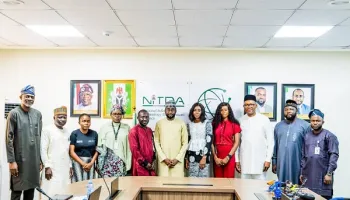
The National Information Technology Development Agency (NITDA) has launched the first phase of its Digital Literacy for All (DL4ALL) initiative. This phase involves deploying National Youth Service Corps (NYSC) members as trainers across 12 states in Nigeria. The initiative aims to boost digital literacy nationwide, targeting 70% literacy by 2027.
NITDA, in a statement on Saturday, highlighted the states selected for the pilot phase, including the Federal Capital Territory, Kebbi, Jigawa, Yobe, Gombe, Kwara, Ekiti, Osun, Cross River, Bayelsa, Abia, and Ebonyi. Corps members in these states have already begun sensitizing local communities about the program’s goals.
The agency emphasized that DL4ALL is designed to equip Nigerians with essential digital skills to navigate the evolving technology landscape. By partnering with NYSC, NITDA aims to leverage the energy and presence of corps members to drive the program nationwide.

Corps members, stationed in various communities during their service year, are expected to serve as Champions, delivering digital literacy training and awareness. The NYSC’s existing structure will play a pivotal role in extending the reach of the initiative to all corners of the country.
NITDA’s decentralized approach ensures that even remote areas benefit from the digital literacy campaign, creating opportunities for digital growth across Nigeria. This effort aligns with NITDA’s Strategic Roadmap and Action Plan (SRAP 2.0), which prioritizes fostering digital skills and cultivating talent.
Earlier in June, NITDA Director-General, Kashifu Inuwa, and NYSC Director-General, Brig Gen Y.D. Ahmed, sealed the strategic partnership to drive the DL4ALL initiative. The goal is to train 30 million Nigerians in digital skills, with a focus on youth, by 2027.
Minister of Communications, Innovation, and Digital Economy, Dr. Bosun Tijani, reinforced the administration’s commitment to achieving 90% digital literacy by 2030. This includes initiatives like the 3 Million Technical Skills (3MTT) program, which aims to train 3 million Nigerians in digital skills over the next three years.
Through these efforts, the government seeks to empower Nigerians to participate in the digital economy, compete for jobs, and improve their employability in a technology-driven world.