

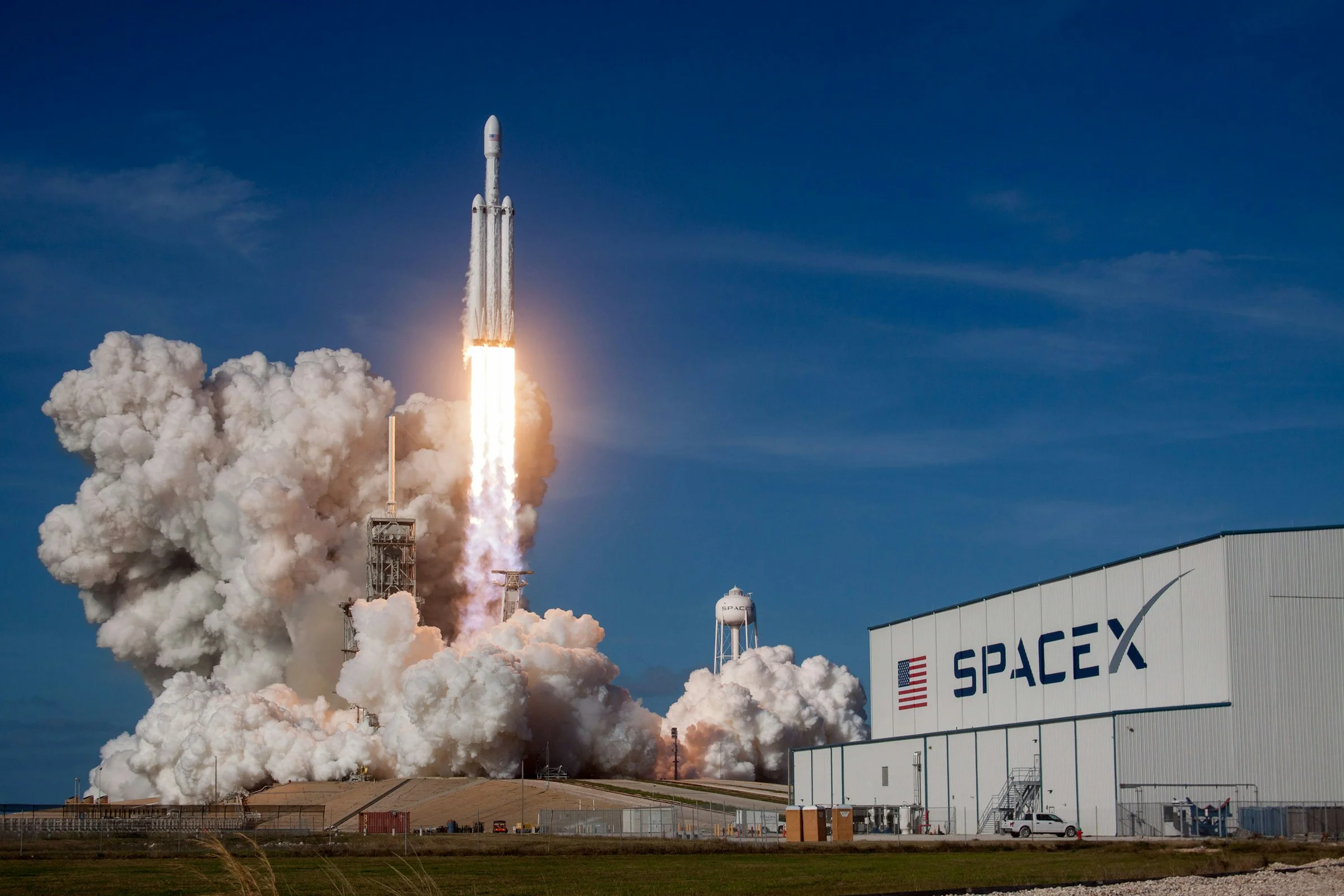
SpaceX’s Falcon 9 rocket has received the green light to resume space missions following a mid-flight failure in July, the Federal Aviation Administration (FAA) announced Thursday. The FAA determined that the anomaly during the July 11 launch did not pose a public safety risk, allowing the rocket to return to operations while the broader investigation continues.
The Falcon 9 rocket, the most frequently used rocket globally, was grounded after a mid-flight breakup led to the loss of a Starlink satellite payload. This incident marked the first failure of the Falcon 9 in over seven years, a period during which the rocket had established a strong track record in the space industry.
SpaceX disclosed that the failure was due to a liquid oxygen leak, which caused excessive cooling and damage to a critical engine component. The company identified a crack in a pressure sensor line as the cause of the leak. To prevent recurrence, SpaceX plans to remove the faulty sensor and line from the second-stage engine for upcoming launches.
SpaceX has announced its readiness to return the Falcon 9 to flight as early as Saturday, July 27. The Falcon 9 remains crucial for NASA, being the sole U.S. rocket capable of transporting astronauts to the International Space Station. NASA’s next astronaut mission, scheduled for August, will use SpaceX’s Crew Dragon capsule launched atop the Falcon 9.
 Philips Babatunde