

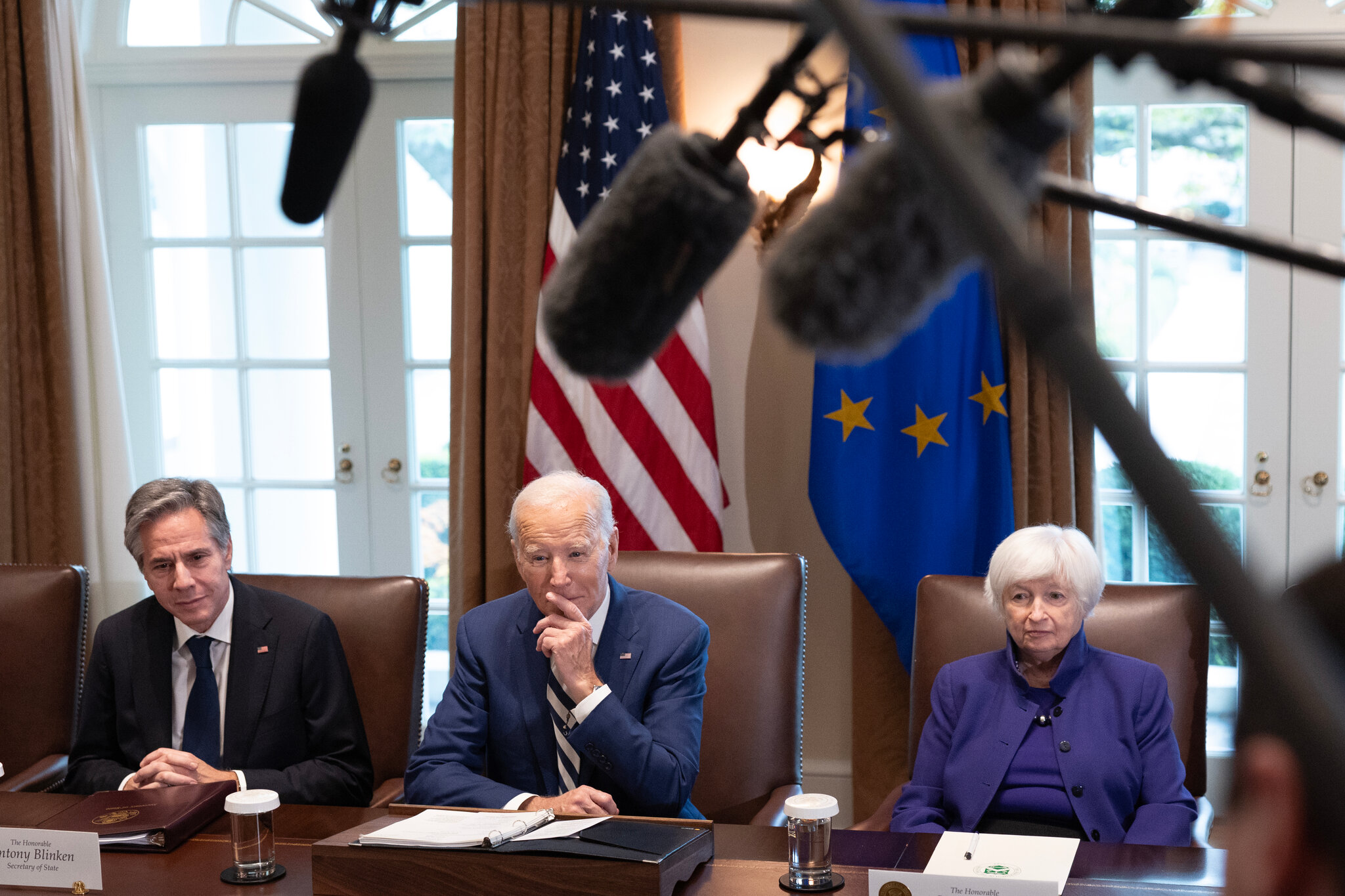
The U.S. government plans to announce wider sanctions on Wednesday targeting the sale of semiconductor chips and other goods to Russia, aiming to crack down on third-party sellers in China, sources familiar with the plans revealed on Tuesday night. This move is part of a broader effort by the Biden administration to curb Russia’s ability to bypass Western sanctions and undermine its ongoing war effort in Ukraine.
The administration intends to expand existing export controls to include U.S.-branded goods, not just those manufactured within the United States. Specific Hong Kong entities accused of shipping goods to Moscow will also be identified. The White House and the Commerce Department have yet to comment on these impending changes, which were initially reported by Bloomberg.
White House spokesperson John Kirby confirmed on Tuesday that Washington would be introducing new sanctions and export controls against Russia. This announcement coincides with President Joe Biden’s departure for a summit in southern Italy with leaders from other Group of Seven (G7) democracies, set to occur early Wednesday.
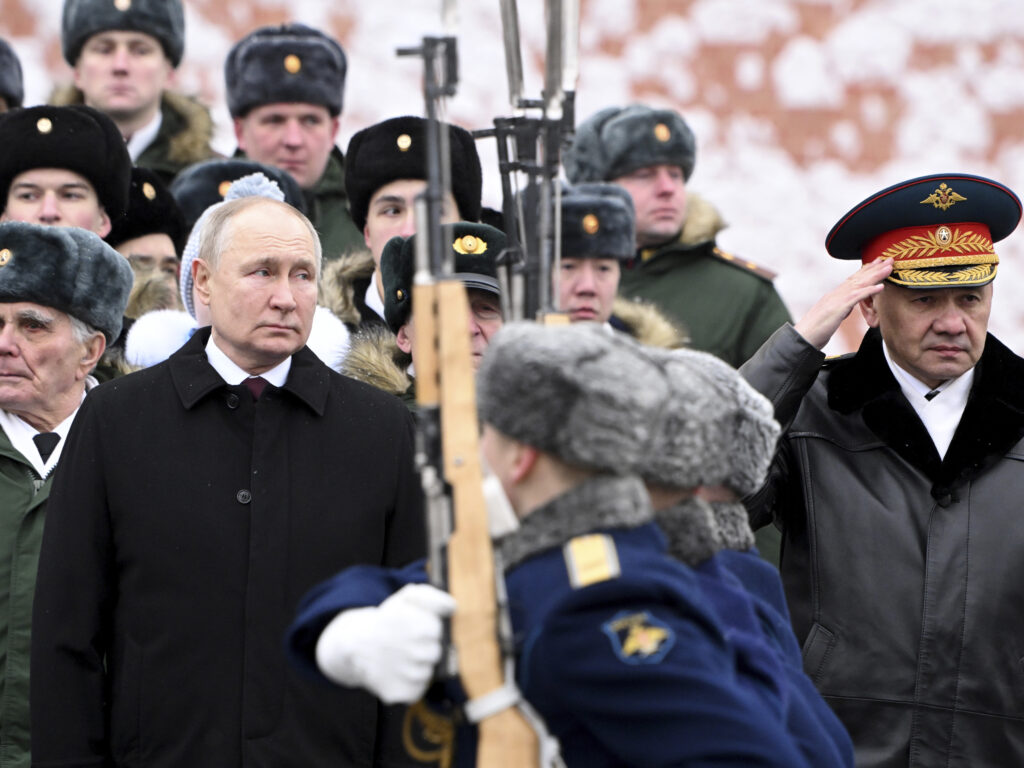
A primary focus for the G7 leaders is to enhance support for Ukraine, now in its third year of resisting Russia’s invasion, and to dismantle the Russian war machine. According to a source, one of the top priorities at the summit will be addressing how to fortify Ukraine’s defenses and undermine Russia’s military capabilities.
U.S. officials have voiced growing frustration over China’s increasing trade with Russia, which they argue is enabling Moscow to sustain and equip its military forces. Reports indicate that exports from China and other nations of machine tools and manufacturing equipment are helping Russia produce weapons domestically, replacing those it used to import, according to two sources with knowledge of the matter.
In response to these developments, officials argue that the definition of U.S. goods covered by export controls needs to be broadened, given Russia’s shift in its economy to prioritize the war effort. This adjustment is seen as essential to tightening the restrictions and effectively limiting Russia’s military production capabilities.
Daleep Singh, White House deputy national security adviser for international economics, emphasized the critical situation in Ukraine during a recent address at the Center for a New American Security. He highlighted that Ukrainian President Volodymyr Zelenskiy is expected to meet with G7 leaders to underscore the urgent challenges faced by Ukrainian forces in their ongoing battle against Russia.
In addition to the broader export controls, Washington is set to unveil significant new sanctions targeting financial institutions and non-banks involved in the “technology and goods channels” supplying the Russian military. These measures aim to further restrict Russia’s access to critical resources necessary for sustaining its military operations, the sources indicated.