

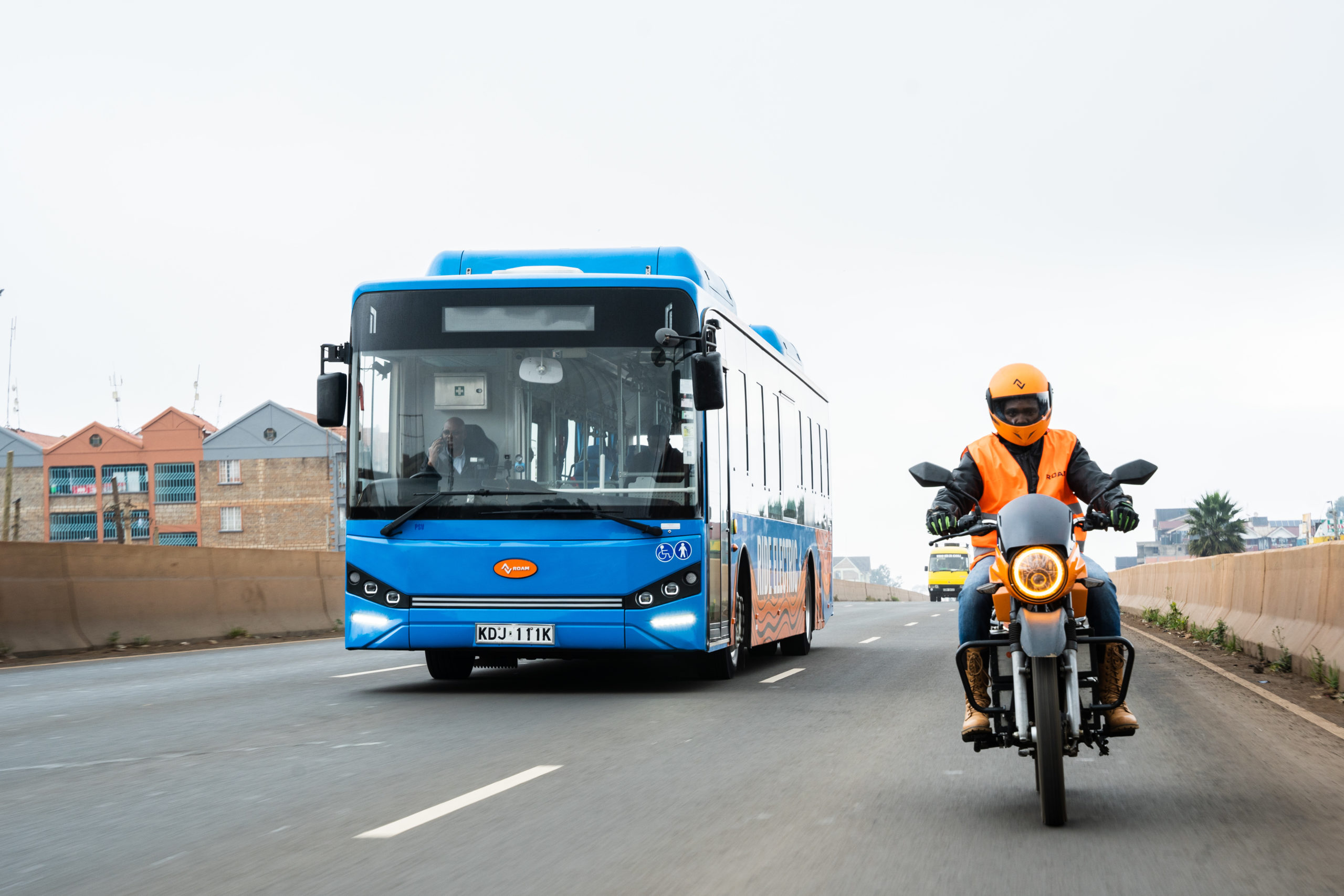
To spur the local production and assembly of electric vehicles (EVs), Kenya has unveiled and launched a draft of its National E-mobility Policy. This policy, once approved, is poised to revolutionize the automotive landscape by introducing zero-emission vehicle (ZEV) sales targets and investment criteria for domestic car manufacturers and assemblers, thereby making them eligible for government incentives.
The comprehensive e-mobility policy also aims to establish a robust legal and regulatory framework to facilitate the widespread adoption of EVs across the nation. Notably, it will mandate the use of locally sourced raw materials in EV manufacturing, gradually implemented to bolster the local industry.
With the unveiling of this ambitious e-mobility policy, Kenya is poised to emerge as a frontrunner in the adoption and production of electric vehicles, paving the way for a sustainable and environmentally conscious transportation ecosystem.
Furthermore, the finalized policy will support initiatives for local battery manufacturing, recycling, and repurposing, while also fostering the production of essential EV components such as charging systems.
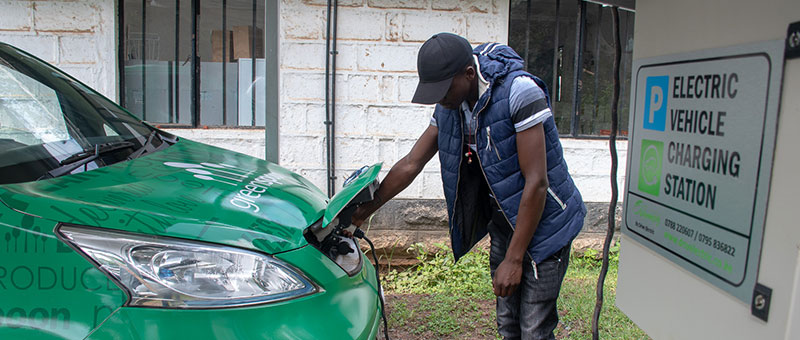
This policy release comes at a crucial juncture for Kenya, as the East African nation endeavors to overcome challenges related to expertise and manufacturing capabilities in the EV sector. One of the pivotal objectives of the policy is to develop an e-mobility curriculum, integrated into tertiary institution programs, aimed at addressing the shortage of technical skills necessary for EV production.
Moreover, the government has outlined plans to prioritize research and development initiatives focused on electric vehicles, battery technology, and charging infrastructure. Manufacturers will be mandated to provide comprehensive user training and manuals along with their products to ensure seamless adoption and operation.
Kenya, already a hub for e-mobility innovation, hosts major players in the African EV landscape, including BasiGo and Roam. BasiGo is renowned for its electric buses, supported by the CFAO Group, catering to Nairobi’s commuter needs, while Roam is spearheading the introduction of electric buses for Nairobi’s bus rapid transit (BRT) system, alongside nationwide distribution of electric motorbikes.