

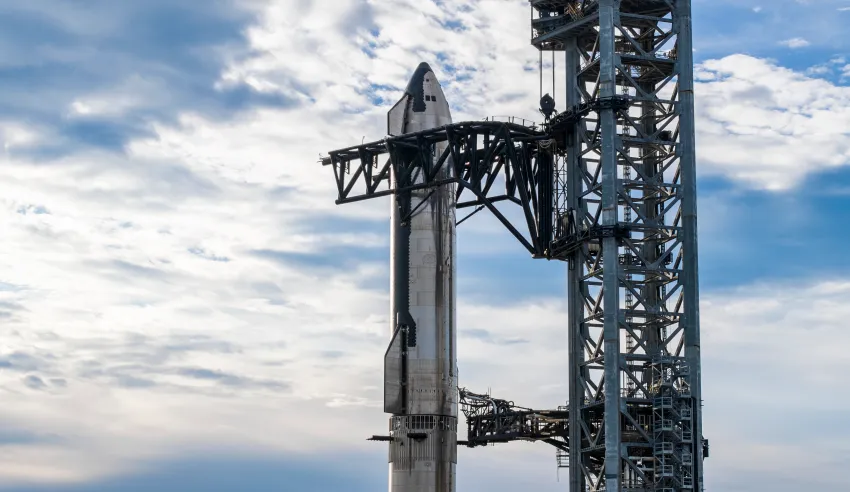
SpaceX is poised for its third attempt at launching the colossal Starship rocket into orbit, having secured the green light from the Federal Aviation Administration (FAA).
The launch window opens today at 7:00 AM Central Time (4:00 AM Pacific Time), offering a 110-minute window for liftoff. Public viewing of the event will be available through a live stream on the SpaceX website and their social media platform, X, starting at 6:30 AM Central Time (3:30 AM Pacific Time).
This launch attempt marks a significant milestone for the ambitious Starship project. The 400-foot-tall behemoth has undergone two previous test flights, both ending with the vehicle’s destruction. These incidents, categorized as “anomalies” in the industry, encompass a range of malfunctions, from minor component failures to catastrophic events. Following a thorough investigation by the FAA into the second launch, which concluded last month, the regulatory body has granted the necessary license for this third attempt.
SpaceX has incorporated numerous hardware upgrades and modifications based on the investigation’s findings and their ongoing iterative design approach. This test flight carries the weight of achieving several crucial objectives.
One key goal is to successfully demonstrate the transfer of fuel between the Starship (upper stage) and the Super Heavy booster (lower stage). Additionally, the mission aims to showcase the functionality of opening and closing the Starship’s payload bay door. Perhaps the most historic feat attempted is the first-ever in-space relight of a Raptor engine while the Starship is in space.
To accommodate this in-space engine burn, the flight path has been altered, with the Starship upper stage targeted for a splashdown in the Indian Ocean.
The success of the Starship program is paramount for both SpaceX and NASA. For SpaceX, it represents a vital step towards realizing their commercial spaceflight ambitions. For NASA’s Artemis program, which aims to return humans to the moon by the end of the decade, a functional Starship serves as a critical component.
 Philips Babatunde