

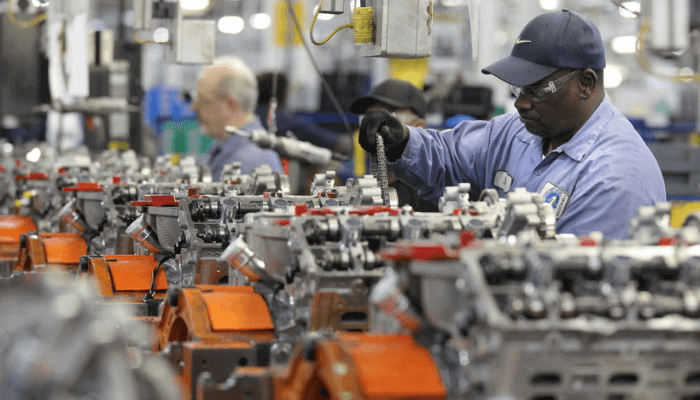
With the latest findings from the Manufacturing Association of Nigeria (MAN), which has unveiled concerning statistics within the manufacturing sector, MAN disclosed that in 2023, a staggering 767 manufacturing companies ceased operations, while another 335 faced distress, painting a grim picture of the industry’s state.
Various economic challenges, including exchange rate volatility, escalating inflation rates, and a deteriorating investment climate, have been identified as primary contributors to this distressing trend, severely impacting the sector’s performance and sustainability.
MAN has criticized the Federal Government’s introduction of the Expatriate Employment Levy (EEL), asserting that it contradicts the objectives outlined in President Bola Tinubu’s Renewed Hope Agenda and his Fiscal Policy and Tax Reform initiative.

The imposition of the EEL is viewed as counterproductive, adding to the burdens faced by Nigerian manufacturers amidst already challenging conditions, potentially exacerbating the sector’s difficulties.
The Expatriate Employment Levy, which levies $10,000 for staff and $15,000 for directors, marks a significant increase from the previous $2,000 fee for the Combined Expatriate Residence Permit and Alien Card, sparking widespread concern among industry stakeholders.
MAN expressed apprehension over the levy’s impact on the cost of doing business in Nigeria, particularly for manufacturers grappling with a myriad of challenges, including declining capacity utilization, rising interest rates, and a scarcity of foreign exchange for importing essential raw materials and machinery.
The manufacturing sector’s capacity utilization has dwindled to 56%, while inventory of unsold finished products stands at a staggering N350 billion, coupled with a real growth decline to 2.4%, as reported by MAN.
Moreover, MAN raised alarms over potential conflicts between the EEL and Nigeria’s international trade agreements, such as the African Continental Free Trade Area agreement, fearing adverse effects on regional integration efforts and Nigeria’s global reputation.
MAN called upon President Tinubu to reconsider the implementation of the Expatriate Employment Levy, warning of its detrimental effects on the manufacturing sector and the broader economy, as well as prevent further distress within the sector and align with the overarching goals of economic growth and development in Nigeria.