

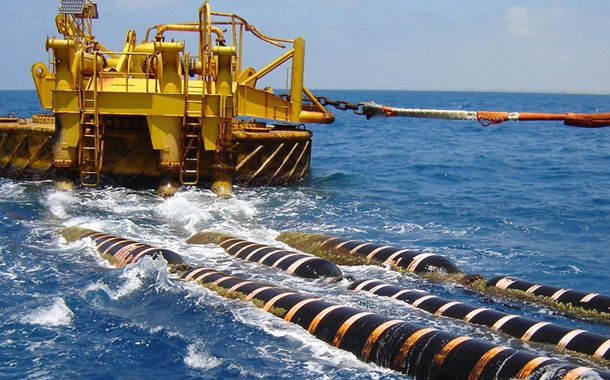
The landing of the Meta backed 2Africa submarine cable at Qua Iboe Beach in Akwa Ibom State on February 20, 2024, marked a quiet but historic shift in Nigeria’s digital geography, ending decades of Lagos dominance as the sole entry point for international internet traffic. For the first time, a global subsea cable system touched Nigerian soil outside Lagos, creating a second digital anchor and laying the foundation for a more resilient, inclusive and efficient national connectivity framework.
Facilitated by MainOne Solutions by Equinix, the Akwa Ibom landing was not merely about cable capacity but about building a complete digital ecosystem in the South South. Over the past two years, MainOne has deployed a modular cable landing station, rolled out about 250 kilometres of terrestrial fibre linking Akwa Ibom to Rivers State, expanded metro fibre networks across both states and completed a carrier neutral data centre in Port Harcourt known as PR1. Together, these layers form what Equinix describes as a new digital gateway designed to reduce latency, cut costs and decentralise Nigeria’s internet infrastructure.
For years, Nigeria’s international connectivity has been concentrated in Lagos, where nearly all subsea cables land, offering efficiency but also creating a single point of failure. This vulnerability was exposed in March 2024 when an underwater landslide off the coast of Côte d’Ivoire disrupted multiple cables serving West Africa, causing widespread outages. By creating an alternative route through the South South, Equinix has diversified national risk, reduced the long distance routing that degrades user experience outside Lagos, and enabled data to stay closer to where people live and work.
Beyond resilience, the South South gateway is expected to deliver economic and social benefits to a region of over 30 million people. With PR1 acting as a local interconnection hub, network operators, cloud providers and enterprises can exchange traffic directly without routing through Lagos or overseas, lowering backhaul costs and improving service quality. The infrastructure also supports disaster recovery strategies, allowing businesses to mirror operations between Lagos and Port Harcourt, while creating opportunities for fintechs, manufacturers, oil and gas firms, creative industries and digital services to scale reliably.
Equinix said the choice of Akwa Ibom was driven by business friendly regulation, strategic geography and long term growth potential, despite the complexities of crossing oil and gas pipelines and securing multi state approvals. Framing the project as part of its global interconnection strategy, the company noted that proximity, latency and data sovereignty are increasingly critical in the era of cloud computing and artificial intelligence. By anchoring global connectivity in the South South, Equinix is repositioning the region from an oil driven economy to a digital powerhouse, balancing Lagos and strengthening Nigeria’s ambition to stay connected, competitive and online.