

Chinese authorities have directed domestic companies to stop using cybersecurity software produced by about a dozen firms from the United States and Israel, citing national security concerns, according to sources familiar with the matter. The move comes amid rising trade and diplomatic tensions between Beijing and Washington, as both countries intensify efforts to secure technological dominance and reduce reliance on foreign technology.
The affected companies reportedly include major US cybersecurity players such as Broadcom owned VMware, Palo Alto Networks and Fortinet, alongside Israel based Check Point Software Technologies. The decision reflects China’s broader push to replace Western made technology with domestic alternatives, a strategy that has gained momentum as geopolitical rivalries deepen. News of the directive weighed on markets, with shares of some of the affected companies falling in premarket trading.
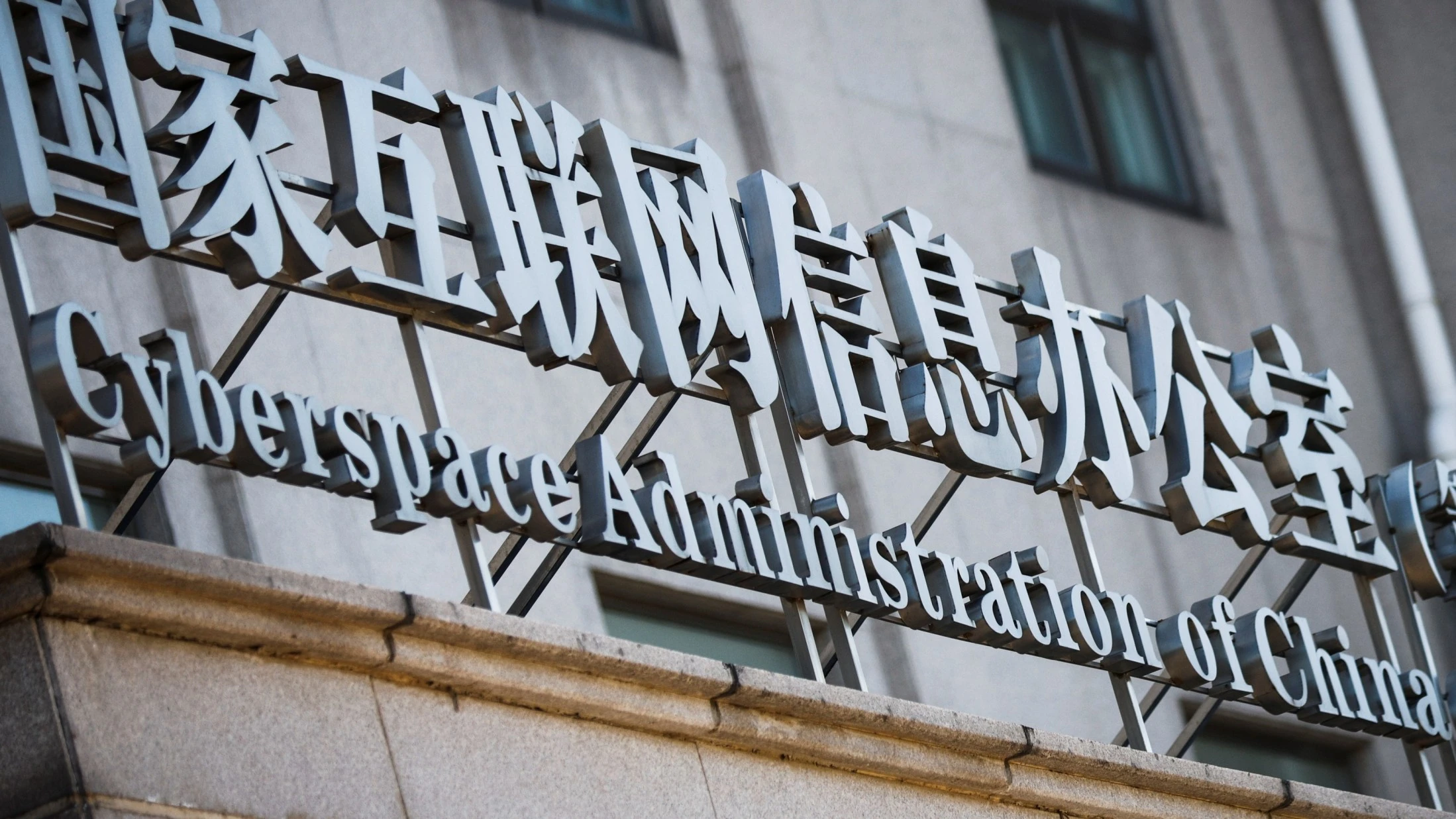
Sources said Chinese authorities are concerned that foreign made cybersecurity software could collect sensitive data and transmit confidential information abroad. Although Reuters could not independently confirm how many Chinese firms received the notice, the instruction is said to have been issued in recent days. China’s Cyberspace Administration and the Ministry of Industry and Information Technology did not respond to requests for comment, while the companies involved also declined to comment.
The development unfolds as the United States and China, currently maintaining a fragile trade truce, prepare for a planned visit by US President Donald Trump to Beijing in April. Even before Trump’s return to office last year, the issue of foreign cybersecurity vendors had remained politically sensitive in China. Chinese analysts have long argued that Western equipment could be vulnerable to exploitation by foreign governments, prompting Beijing to accelerate the adoption of locally developed hardware and software.
Despite the reported restrictions, many of the affected firms have built a significant presence in China over the years, with multiple offices across the mainland and Hong Kong. At the same time, several of these companies have accused China of orchestrating hacking campaigns targeting foreign governments and diplomats, allegations Beijing has repeatedly denied. Analysts note that cybersecurity firms often maintain close ties to national defence establishments, and their deep access to networks makes them especially sensitive in an era of heightened digital mistrust.