

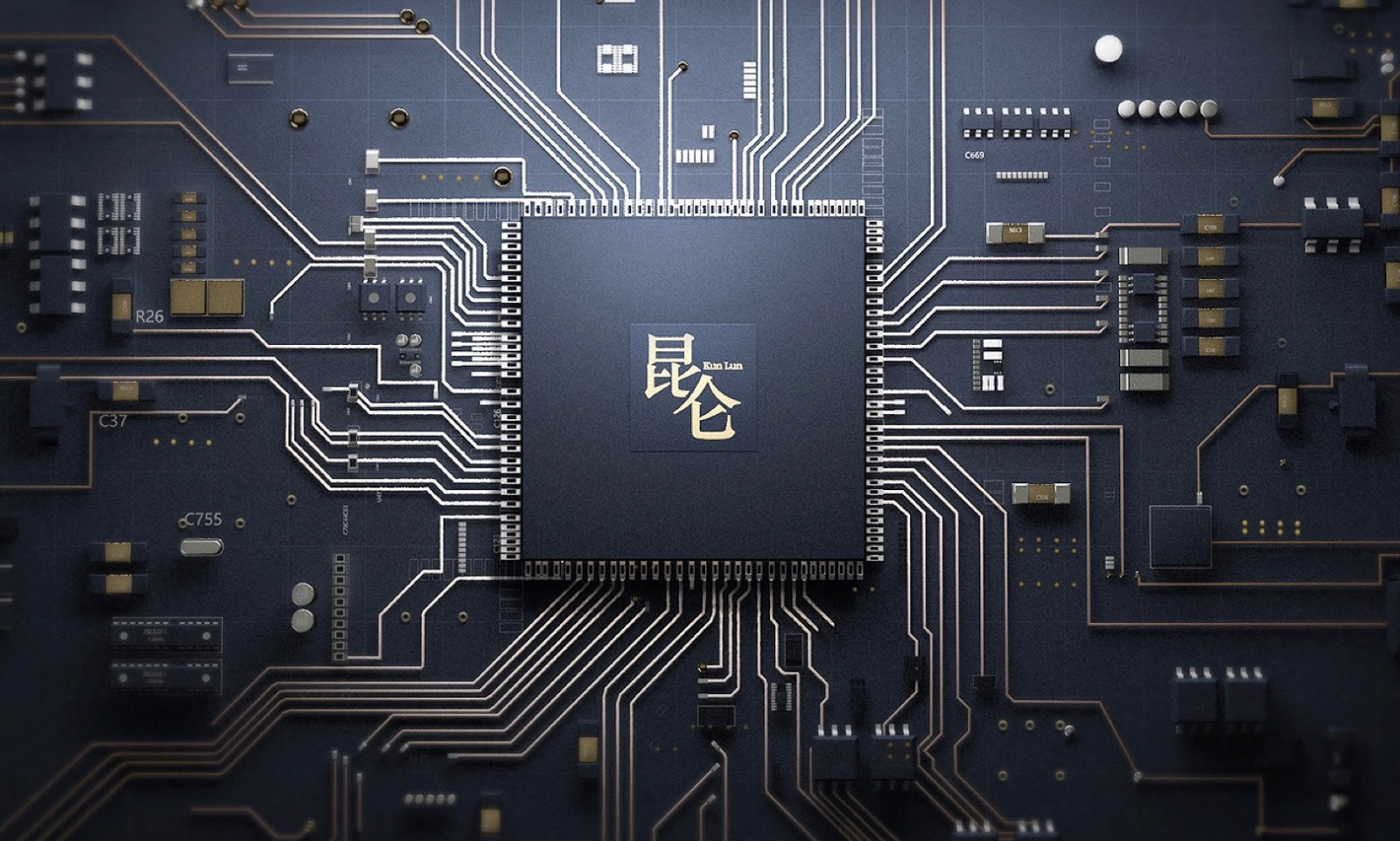
Chinese semiconductor design firm Kunlunxin, backed by tech giant Baidu, has secured chip orders worth over one billion yuan ($139 million) from telecoms company China Mobile for artificial intelligence projects. The deal underscores China’s push to boost homegrown alternatives to Nvidia amid growing demand for AI hardware. Kunlunxin said it will supply AI chips compatible with Nvidia’s CUDA software platform to major China Mobile suppliers such as H3C Technologies and telecoms equipment maker ZTE.
According to Chinese corporate registry Qichacha, Baidu holds a 59 per cent stake in Kunlunxin. The company noted that its CUDA-compatible chips would give developers an easier and more cost-effective transition from Nvidia’s ecosystem. Tender results also showed that a Huawei-related firm won part of the contract, providing hardware compatible with Huawei’s Compute Architecture for Neural Networks (CANN), the company’s answer to Nvidia’s CUDA.
Many developers globally rely on Nvidia’s CUDA platform for building AI and other applications, given its optimisation for Nvidia’s Graphics Processing Units (GPUs). However, Chinese authorities have been driving efforts to reduce dependence on U.S. technology by investing heavily in domestic chipmakers. In April, Baidu revealed it had successfully deployed a cluster of 30,000 of its third-generation P800 Kunlun chips, capable of training large AI models similar to those developed by Chinese startup DeepSeek.
Baidu’s Kunlun series and Huawei’s Ascend processors are among a dozen Chinese-made GPU alternatives competing for market share against Nvidia. While Huawei’s Ascend has gained traction, Baidu’s Kunlun chips are seen as offering superior CUDA compatibility, an advantage that reduces costs for developers switching from Nvidia platforms. Industry watchers say the China Mobile contract further strengthens Kunlunxin’s position in China’s rapidly evolving AI chip race