

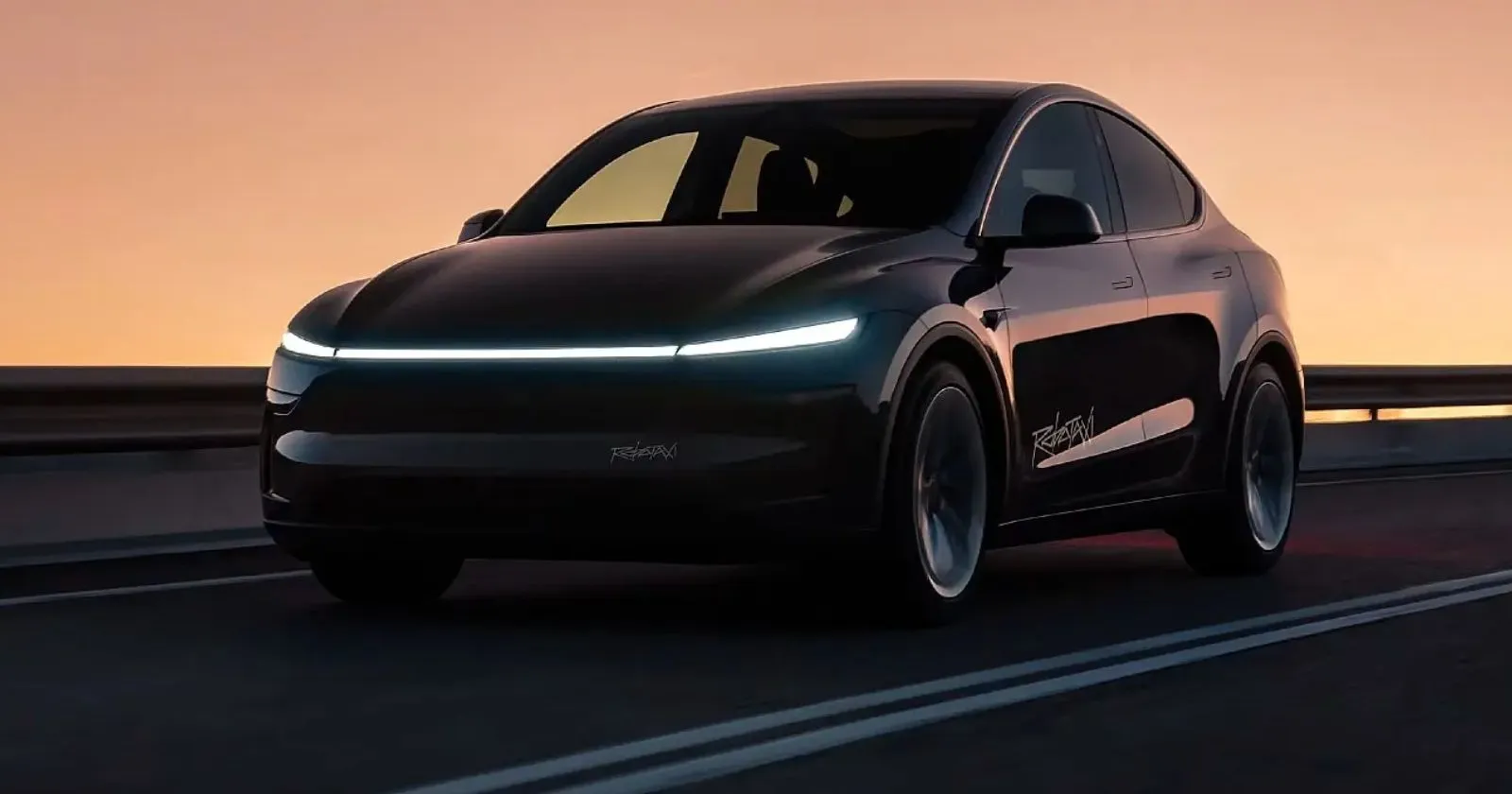
Tesla is gearing up to expand its newly launched robotaxi service to California’s San Francisco Bay Area within the next one to two months, pending regulatory approvals, according to CEO Elon Musk. The electric vehicle giant began testing the service in a limited part of Austin, Texas, last month, deploying a dozen cars with selected passengers under tight restrictions, including the presence of a safety monitor in the passenger seat.
Musk revealed on his X platform that the service would grow to cover a larger portion of Austin this weekend, though he did not specify the scale or location of the expansion. Responding to a Tesla enthusiast group asking about a Bay Area rollout, Musk said the company was “waiting on regulatory approvals.”
The move is seen as critical to Tesla’s long-term strategy, especially as sales of its aging EV models decline amid intensified competition and a public relations slump driven in part by Musk’s controversial political stances. Much of Tesla’s trillion-dollar valuation hinges on the success of its autonomous technologies, including robotaxis and AI-powered humanoid robots.
The path to commercializing autonomous vehicles has proven more difficult than expected, with high development costs and regulatory complexities stalling progress for several companies. General Motors’ Cruise unit, for instance, shut down its robotaxi operations following safety and compliance concerns.
Until Tesla’s recent trial, Alphabet’s Waymo remained the only player offering paid, driverless robotaxi rides in cities like San Francisco, Los Angeles, Phoenix, Austin, and Atlanta. Unlike Texas, California imposes strict regulatory oversight, requiring permits from both the state DMV and CPUC to launch such services.
Although Tesla secured an initial approval from the California Public Utilities Commission (CPUC) in March, additional authorizations are still pending. The CPUC and Department of Motor Vehicles have yet to comment on the company’s next steps.
Meanwhile, Tesla’s Austin rollout has faced scrutiny after videos surfaced showing the robotaxis struggling with traffic rules and driving behavior. These challenges highlight the technical and regulatory obstacles Tesla must overcome to achieve Musk’s vision of a fully autonomous transport network.