

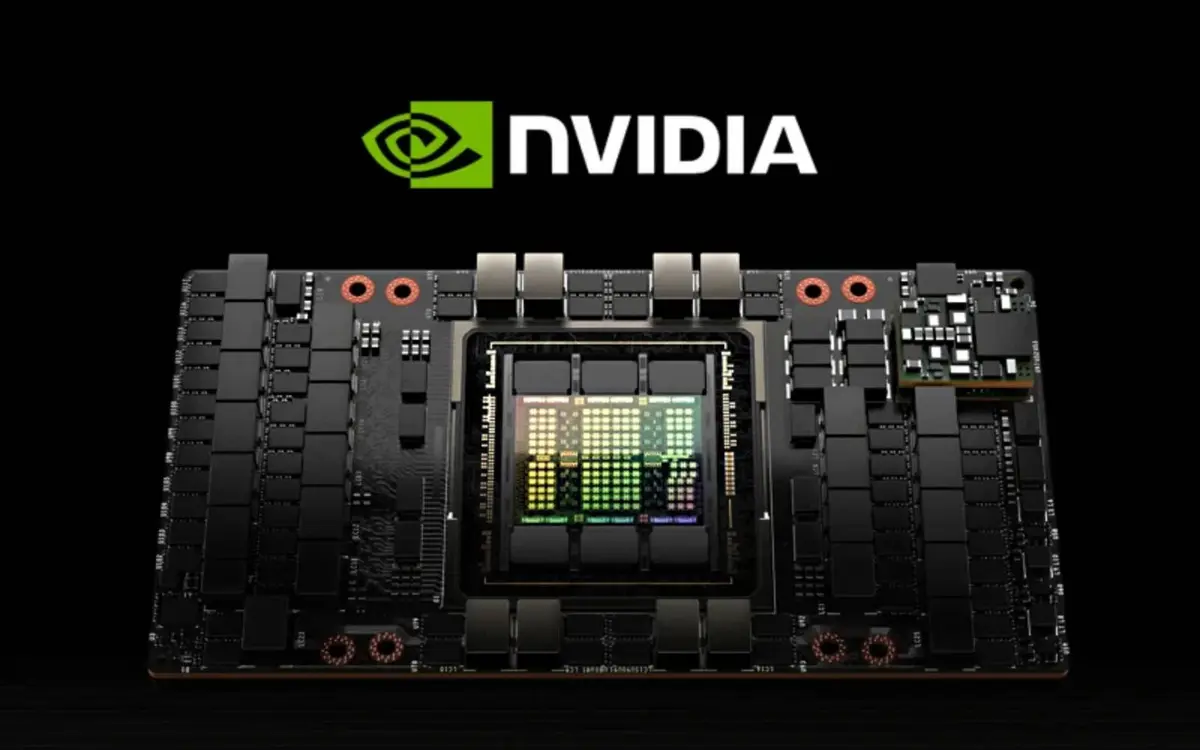
Nvidia and Hewlett Packard Enterprise have announced a partnership with the Leibniz Supercomputing Centre in Germany to build a next-generation supercomputer named Blue Lion. Scheduled for launch in early 2027, the system will utilize Nvidia’s upcoming “Vera Rubin” chips, and is designed to support scientific research across various fields, including biotechnology and climate studies.
The development was revealed during a supercomputing conference held in Hamburg, Germany. This move follows Nvidia’s recent announcement that the Lawrence Berkeley National Lab in the United States will also build a system with its advanced chips. Additionally, Jupiter, a supercomputer using Nvidia technology at Germany’s Forschungszentrum Julich, has now been confirmed as Europe’s fastest.
The initiative marks another step by European institutions to remain globally competitive in scientific computing, an area long dominated by the United States. Nvidia has historically encouraged researchers to adopt its chips for high-precision simulations and is now promoting the integration of artificial intelligence to accelerate predictive models.
As part of its push, Nvidia introduced its “Climate in a Bottle” AI model, designed to help researchers generate long-term climate forecasts using limited initial data. The company says this combined approach of physics-based modeling and AI will enable scientists to simulate atmospheric flows with greater detail and speed than ever before.