

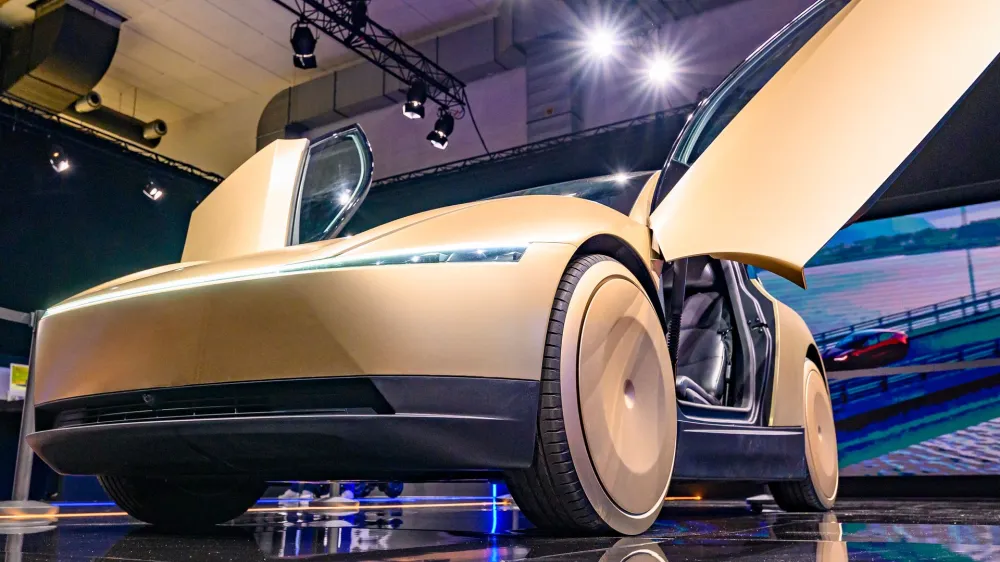
Tesla is set to launch a pilot robotaxi service in Austin, Texas, by the end of June, with an initial fleet of about 10 self-driving cars operating in the safest parts of the city. CEO Elon Musk confirmed the rollout in an interview with CNBC, stating the number of vehicles would increase to around 1,000 over the next few months. The trial marks a significant step in Tesla’s shift away from producing a more affordable EV to focusing on autonomous technology and its Optimus humanoid robot.
The company’s Full Self-Driving (FSD) software, which powers the robotaxi fleet, is under investigation by the National Highway Traffic Safety Administration (NHTSA). Regulators are examining how the system performs in poor visibility and have asked Tesla to clarify safety measures ahead of the robotaxi launch. Despite the scrutiny and a decline in global sales, Musk remains confident, stating that autonomy and robotics are now Tesla’s long-term priorities.
To support these ambitions, Musk’s AI company, xAI, is building a massive data center called “Colossus” in Memphis, Tennessee, which will house a million of Nvidia’s Blackwell chips. This supercomputer cluster will train advanced AI models, reinforcing Musk’s broader artificial intelligence vision. xAI, now merged with his social media platform X, recently acquired a 1-million-square-foot facility in Memphis, signaling serious investment in AI infrastructure.
While Musk is reducing his involvement in former President Trump’s political campaign to refocus on Tesla, he did not rule out a future merger between Tesla and xAI, though such a move would require shareholder approval. As Tesla doubles down on its autonomy strategy, the success of the Austin robotaxi trial could prove pivotal to the company’s future and reshape its role in both the automotive and AI industries.