

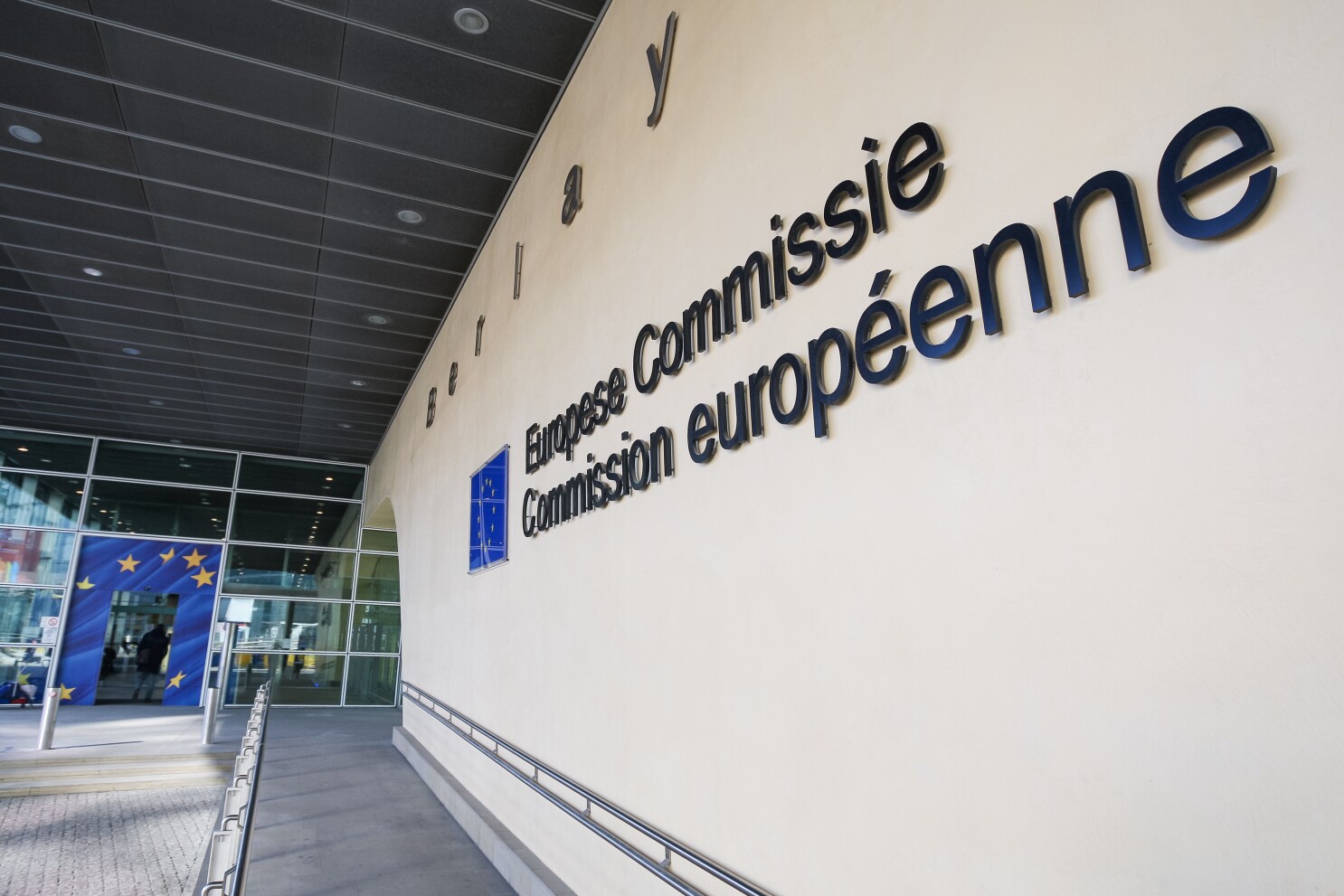
The European Commission has officially withdrawn its long-delayed proposal to strengthen online tracking regulations across the EU after lawmakers failed to reach a consensus.
The bid to update the ePrivacy Directive, originally proposed in 2017, was meant to align privacy protections with the General Data Protection Regulation (GDPR). However, the Commission cited “no foreseeable agreement” as the reason for its withdrawal, marking the end of a reform effort that had faced years of lobbying from tech giants and telecommunications companies.
The proposed ePrivacy Regulation aimed to tighten rules on digital tracking, potentially granting users greater control over their online privacy. It faced stiff resistance from major technology firms, including Google and Amazon, which reportedly worked to delay and weaken support for the reforms.
Despite the collapse of the proposal, existing ePrivacy rules remain in effect, and regulators have continued penalizing companies for breaching cookie consent laws. Google and Amazon have both received significant fines from France’s data watchdog for non-compliance.
Experts believe the proposal was doomed by poor timing and political fatigue following the GDPR negotiations. An anonymous EU Commission source suggested that the proposal was outdated and failed to address the growing influence of tech giants compared to traditional telecom companies.
With the ePrivacy Regulation off the table, uncertainty looms over the future of online tracking regulation in Europe. While the GDPR provides some oversight, gaps remain, particularly as new technologies emerge. Experts anticipate that legal interpretations and court rulings will play a key role in shaping the EU’s privacy framework moving forward. However, for now, the absence of a unified ePrivacy law gives tech companies more flexibility in how they track and monetize user data.
Meanwhile, the EU’s 2025 work program is shifting focus towards fostering innovation, including a Cloud and AI Development Act and an AI Continent Action Plan. The Commission is also planning reforms to encourage startup growth and improve digital infrastructure. However, consumer protection measures appear to be taking a back seat, with the EU prioritizing economic growth and technological competitiveness over stricter privacy enforcement.