


The absence of ride-hailing services like Uber, Bolt, Gokada, Opay Ride and inDrive in Ekiti State, despite their growing popularity across Nigeria, raises critical concerns about the state’s transportation system and the missed opportunities for both residents and service providers.
While other cities enjoy the convenience, safety, and economic benefits these platforms offer, residents in Ekiti remain heavily reliant on traditional modes of transport such as motorcycles (okadas), minibuses (Akoto), Keke Napep and in-town taxis. These options, though indispensable, are plagued by inefficiencies, safety concerns, and inconsistent pricing, leaving commuters frustrated and underserved.
In this exclusive Report, RemoteWork Correspondence interviewed a cross-section of residents in Ado-Ekiti, revealing the social and economic implications of this gap in the transport sector.
For many residents of Ado-Ekiti, navigating the city can be a daily ordeal. Okadas, often favored for their speed, pose major safety risks, particularly in chaotic areas like Fajuyi Bridge and the Old Garage. Their disregard for traffic rules and the erratic driving of riders frequently make commuters uneasy. “I mostly use okadas during rush hours because they are faster, but they aren’t very comfortable or safe,” a resident explained. “Sometimes I switch to keke napep for short distances around Basiri or Ajilosun, but they are slow and can’t handle traffic well. When it rains, taxis are scarce, and you’re left bargaining endlessly with drivers and riders who inflate prices at will.”
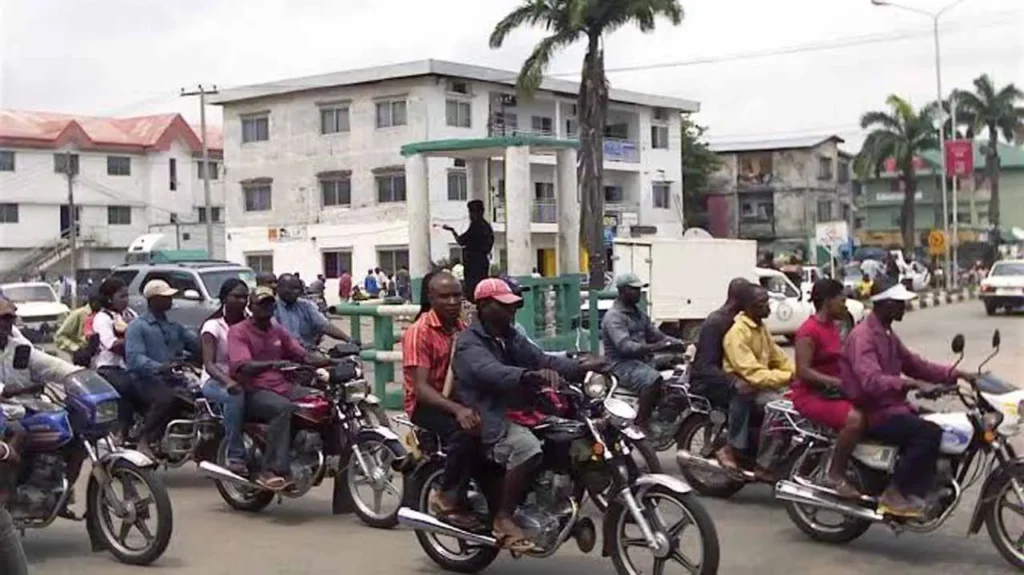
Beyond the inconveniences of daily commuting, safety remains a pressing issue. Incidents of robbery involving motorcyclists and unregulated taxis have left residents apprehensive, particularly at night. Unlike structured ride-hailing platforms that offer safety features such as GPS tracking, driver verification, and emergency support, the existing transportation options in Ekiti provide no such assurances.
This lack of safe and reliable transport has stifled the state’s night economy, as taxi services generally cease operations by 7 pm, while okadas are rarely seen after 9 pm. Businesses that depend on evening activities are left to bear the brunt of this gap, further limiting economic opportunities for residents.
The absence of ride-hailing services also impacts the local economy in broader ways. Unemployed youths, who could earn steady incomes as drivers on platforms like Bolt or Uber, are left with fewer viable options for employment. The flexibility and earning potential associated with these platforms remain untapped in a state where economic diversification is daily becoming increasingly crucial. Moreover, the reliance on traditional transport limits the adoption of digital solutions, as residents remain unexposed to app-based transportation systems that encourage greater smartphone usage and digital inclusivity.

Yet, Ekiti State presents enormous untapped potential for ride-hailing companies. With ongoing urbanization in Ado-Ekiti and substantial improvements in the road network under Governor Biodun Oyebanji’s administration, the need for reliable and convenient transport services is more pressing than ever. Higher institutions such as Ekiti State University, Federal Polytechnic Ado-Ekiti, and Afe Babalola University contribute to a growing demand for affordable and efficient transportation. Students and professionals alike struggle with the inadequacies of the current system, highlighting a clear market opportunity for ride-hailing platforms to address these challenges.
Mrs. Comfort Ogbudu, a local entrepreneur, lamented the absence of such services, pointing to the benefits they could bring to both residents and visitors. “Ride-hailing services could make Ekiti more attractive for businesses and tourists. Imagine tourists wanting to visit Ikogosi Warm Springs or other attractions being able to book rides seamlessly from anywhere in Ado. It’s frustrating that we still depend on unreliable okadas to deliver goods to places like Adebayo or Ajilosun. These platforms would not only create jobs but also encourage more people to embrace technology. Ekiti is no longer just a civil service state; businesses are thriving, and people are willing to pay for comfort and convenience.”
She dismissed the notion that Ekiti’s economic profile might deter service providers, arguing that the narrative is outdated. With ongoing infrastructural development and the recent approval for the state’s international airport by the Nigerian Civil Aviation Authority, Ekiti is increasingly positioned as an emerging hub for tourism, agriculture, and commerce. Passengers boarding and onboarding from flight will definitely need safer transport services.
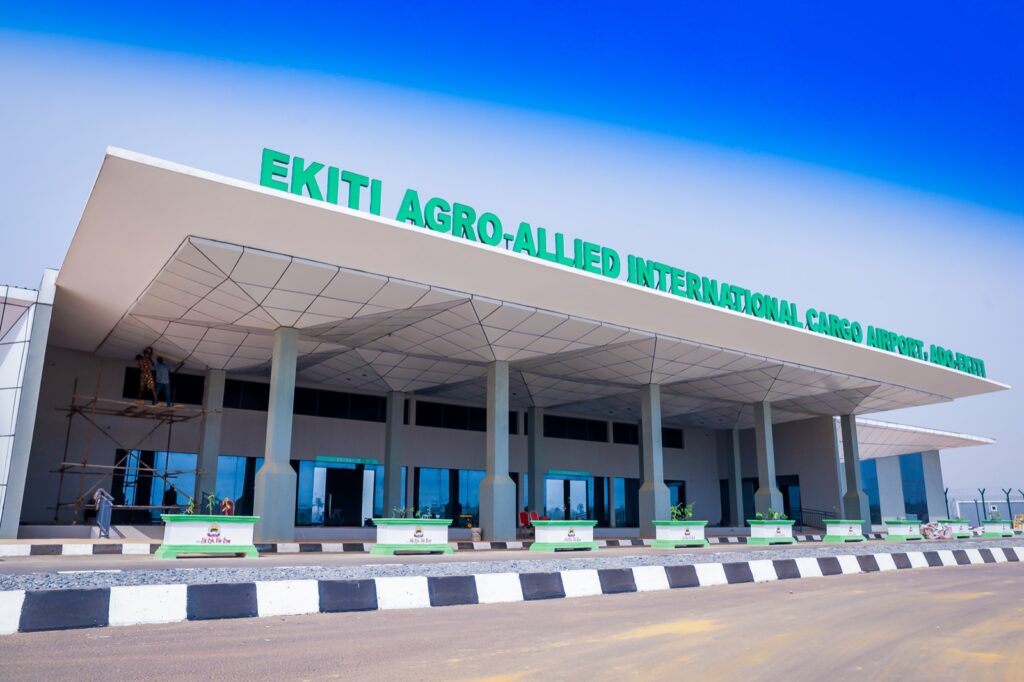
Federal government projects, such as the rehabilitation of the ABUAD road, Akure Ado road, Kabba Omuo- Ifaki- Ado road further signal the state’s readiness for economic expansion as the state government had earlier continued with the fixing of Ado to Ifaki road.
A business analyst, Mr. Olabode Rawa explained that early entrants into Ekiti’s ride-hailing market could secure a strategic edge and substantial gain by tailoring their services to local needs. “Companies like Uber, Opay ride, inDrive and Bolt could start small, focusing on high-demand areas and gradually expanding. There’s a growing presence of businesses, government officials, and even international organizations setting up offices here. The improved road network and the progress on the airport project show that Ekiti is opening up to the world. This is the perfect time for these companies to establish a presence.”
While the state’s transportation sector struggles with inefficiencies, the absence of structured platforms leaves commuters vulnerable and limits their access to safer, more reliable options. However, this gap also represents a golden opportunity for ride-hailing giants to redefine transportation in the state. By prioritizing affordability, safety, and accessibility, these companies can tap into an emerging market, fostering digital adoption and driving economic growth in Ekiti.
The arrival of ride-hailing platforms could not only transform Ekiti transportation landscape but also serve as a catalyst for broader socioeconomic development. For companies willing to take the leap, Ekiti offers more than just a business opportunity—it presents the chance to make a lasting impact on the lives of its people.