

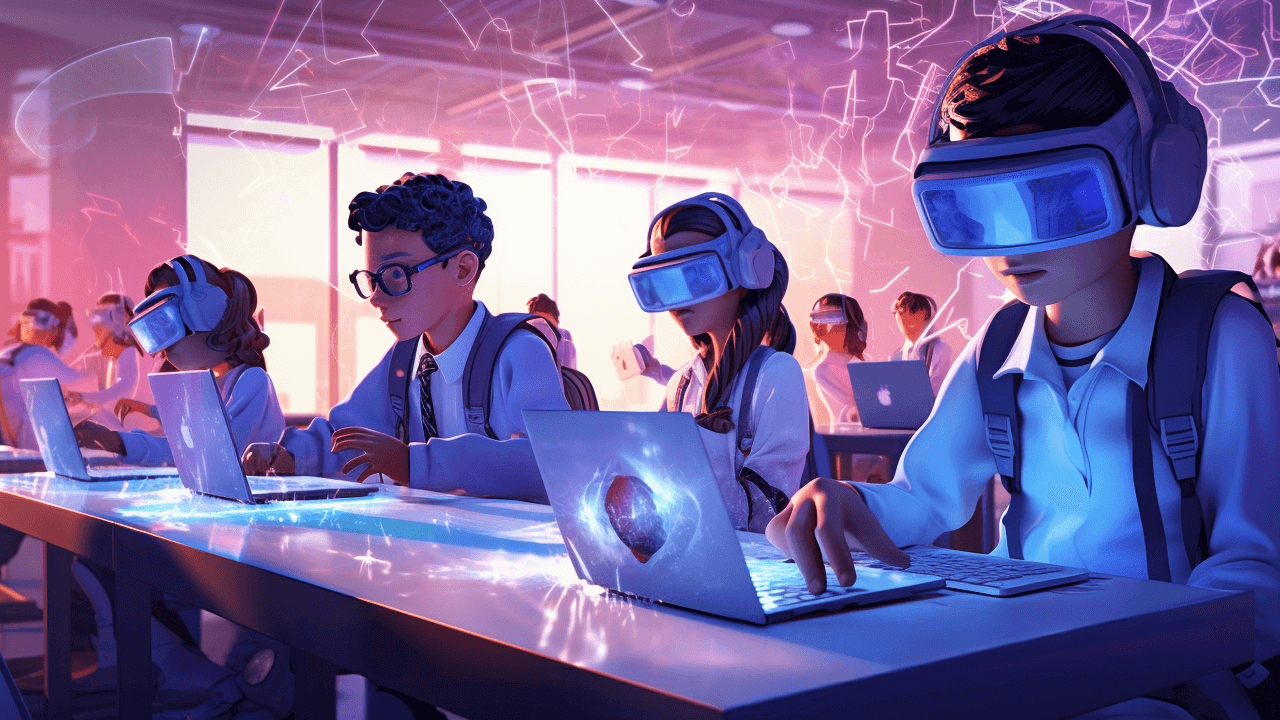
Meta has kicked off a new push to bring virtual reality (VR) into higher education through a partnership with 13 universities across the U.S. and U.K. As part of the new Meta for Education beta program, Meta is giving these schools early access to a VR product it’s been developing. The aim is for educators to use VR to make learning more interactive and engaging, with subjects ranging from science and medicine to history and language arts.
This trial phase will have universities like Arizona State, Imperial College London, and the University of Michigan testing VR and mixed reality (XR) tools in their classrooms, gathering feedback to improve the product before it’s launched more widely. Meta is also expanding its “digital twin” university project, previously rolled out in the U.S., to Europe. Schools like the University of Leeds in the U.K., the University of the Basque Country in Spain, and the University of Hannover in Germany are set to start immersive classes over the next academic year.
At the University of Leeds, students are already participating in VR-based theater and performance classes, while in early 2025, the University of the Basque Country will offer VR lessons in anatomy and physiotherapy. The University of Hannover plans to follow with similar immersive classes, adding to Meta’s growing portfolio of VR-supported campuses.
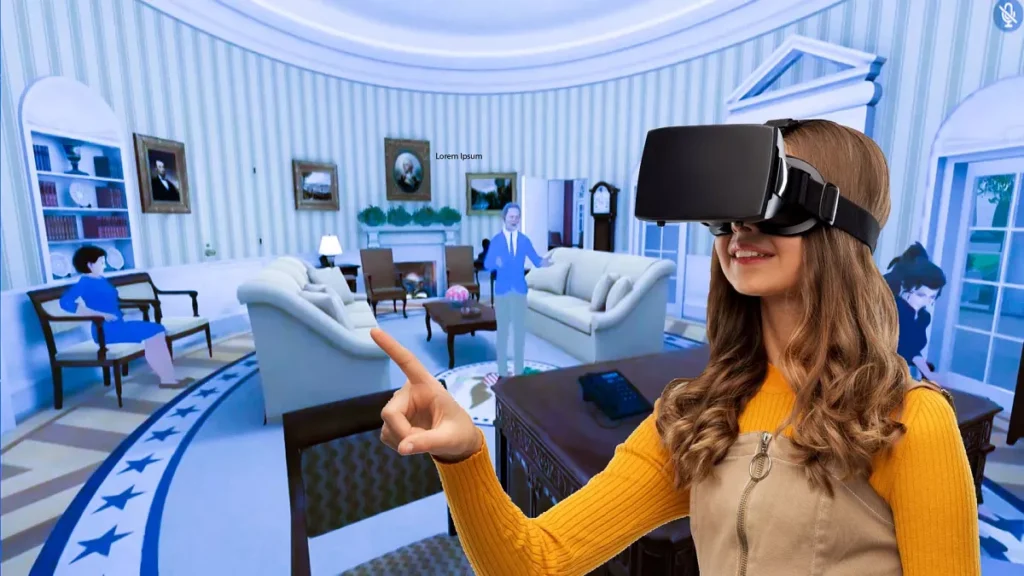
This announcement follows Meta’s plans to create an education-focused platform built around its Quest headsets. Earlier this year, Meta introduced controls for administrators to manage headsets across an institution, with the intention to make this technology available for schools serving students aged 13 and up. For now, however, Meta is focusing on college-level settings.
Despite continued heavy financial losses from its Reality Labs division, Meta is staying committed to VR and AR development. In its latest earnings report, the company revealed a $4.4 billion loss in Q3 2024, largely due to continued investment in VR and AR projects. Meta’s persistence reflects its belief in immersive technology as a potential game-changer for education and beyond.