


The U.S. Department of Justice has announced criminal charges against three Iranian hackers linked to the Islamic Revolutionary Guard Corps (IRGC), accusing them of executing a multi-year cyber operation that included a recent breach of Donald Trump’s presidential campaign. The indictment names Masoud Jalili, Seyyed Ali Aghamiri, and Yasar Balaghi, alleging that their actions were part of a deliberate hack-and-leak strategy aimed at influencing the upcoming 2024 presidential election.
The hacking campaign is reportedly motivated by retaliation for the U.S. killing of Iranian General Qasem Soleimani in 2020, an act that prompted the Iranian government to vow revenge against American officials. U.S. Attorney General Merrick Garland stated that the Iranian operatives sought to destabilize Trump’s campaign, asserting, “Their own words make clear that they were attempting to undermine former President Trump’s campaign in advance of the 2024 U.S. presidential election.
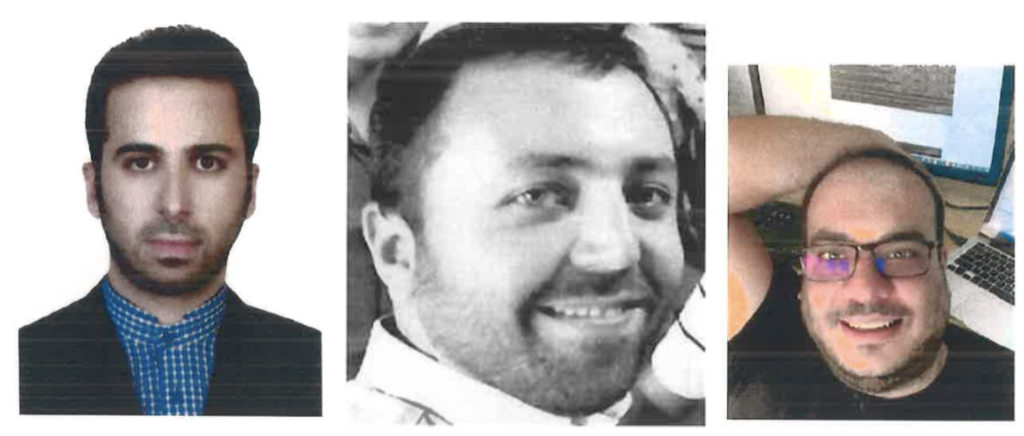
”According to the indictment, the hackers employed phishing tactics to compromise the online accounts of former senior officials and congressional members, aiming to steal sensitive campaign materials for subsequent leaks to the media. In August, several major news organizations, including Politico and The New York Times, received documents allegedly stolen from Trump’s campaign. However, most outlets chose not to report on the leaked content, focusing instead on the implications of the breach itself, reflecting an awareness of the potential consequences of amplifying foreign interference narratives.
The FBI and U.S. intelligence agencies later confirmed Iran’s role in the hacking effort, drawing parallels to past foreign interference tactics seen in the 2016 election, when Russian operatives targeted the Democratic National Committee. Notably, Microsoft and Google also implicated Iranian-backed hackers in attempts to infiltrate both the Trump and Biden campaigns, highlighting a broader trend of foreign cyber activities aimed at influencing U.S. politics.
This situation raises critical questions about the integrity of the electoral process and the vulnerabilities inherent in campaign security. As Garland emphasized, “These authoritarian regimes which violate the human rights of their own citizens do not get a say in our country’s democratic process.”
This case serves as a stark reminder of the ongoing threats posed by foreign actors seeking to undermine American democracy, emphasizing the urgent need for robust cybersecurity measures to protect electoral integrity.
 Philips Babatunde